What they really do

Drill press: A tall upright machine useful for suddenly snatching flat metal bar stock out of your hands so that it smacks you in the chest and flings your beer across the room, denting the freshly-painted project that you had carefully placed in the corner where nothing could get to it.
Wire wheel: Cleans paint off bolts and then throws them somewhere under the workbench with the speed of light. Also removes fingerprints and hard-earned callouses from fingers in about the time it takes you to say; “Oh, sh*t.”
Skil saw: A portable cutting tool used to make studs too short.
Pliers: Used to round off bolt heads. Sometimes used in the creation of blood-blisters.
Belt sander: An electric sanding tool commonly used to convert minor touch-ups into major refinishing jobs.
Hacksaw: One of a family of cutting tools built on the Ouija board principle… It transforms human energy into a crooked, unpredictable motion, and the more you attempt to influence its course, the more dismal your future becomes.
Vise grips: Generally used after pliers to completely round off bolt heads. If nothing else is available, they can also be used to transfer intense welding heat to the palm of your hand.
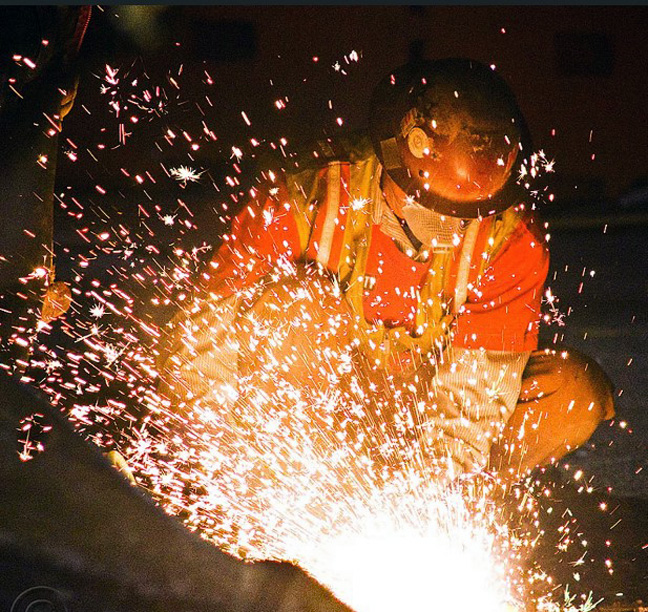
Oxyacetylene torch: Used almost exclusively for setting fire to various flammable objects in your shop. Also handy for igniting the grease inside the wheel hub out of which you want to remove a bearing race.
Table saw: A large stationary power tool commonly used to launch wooden projectiles, in order to test wall integrity.
Hydraulic floor jack: Used for lowering an automobile to the ground after you have installed your new brake shoes, trapping the jack handle firmly under the bumper.
Band saw: A large, stationary, power saw primarily used by most shops to cut good aluminum sheet into smaller pieces that more easily fit into the trash can after you cut on the inside of the line instead of the outside edge.
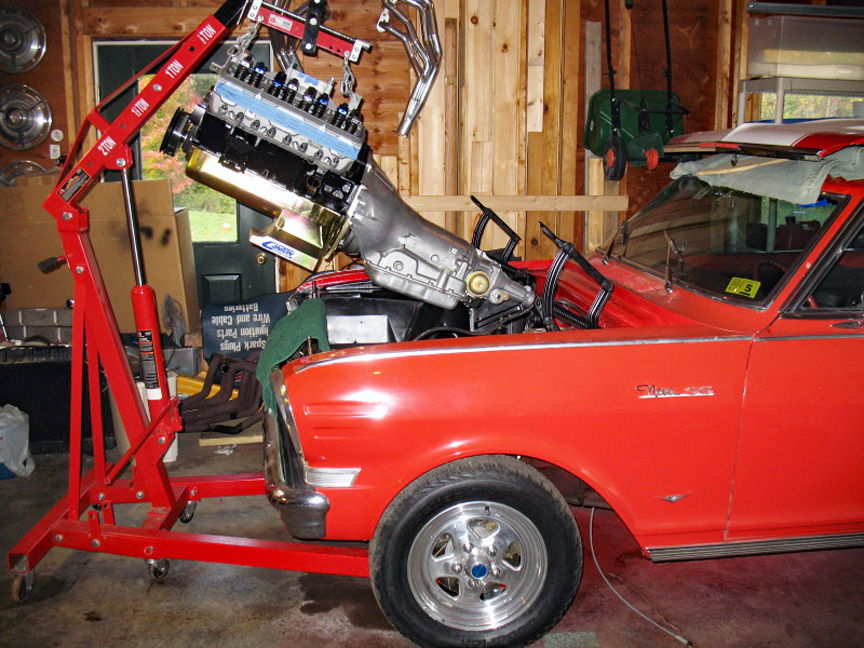
Two-ton engine hoist: A tool for testing the maximum tensile strength of everything you forgot to disconnect.
Phillips screwdriver: Normally used to stab the vacuum seals under lids, or for opening old-style paper-and-tin oil cans and splashing oil on your shirt; but can also be used, as the name implies, to strip out Phillips screw heads.
Straight screwdriver: A tool for opening paint cans. Sometimes used to convert common slotted screws into non-removable screws while butchering your palms.
Pry bar: A tool used to crumple the metal surrounding that clip or bracket you needed to remove in order to replace a five-Rand part.
Hose cutter: A tool used to make hoses too short.
Hammer: Originally employed as a weapon of war, the hammer is nowadays used as a kind of divining rod to locate really expensive parts adjacent to objects we are trying to strike.
Utility knife: Used to open and slice through the contents of cardboard cartons delivered to your front door; works particularly well on contents such as seats, vinyl records, liquids in plastic bottles, collector magazines, refund cheques, and rubber or plastic parts. Especially useful for slicing work clothes, but only while in use.
Son of a b*tch tool: Any handy tool that you grab and throw across the garage while yelling ‘Son of a b*tch’ at the top of your lungs. It is also, most often, the next tool you will need.
- One of those dreadful emailed things
Views: 6
Leave a Reply