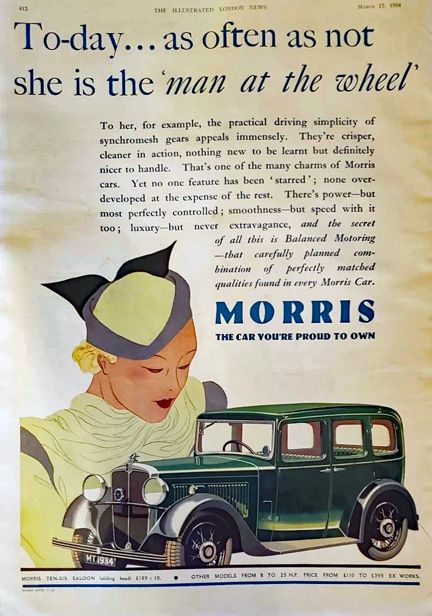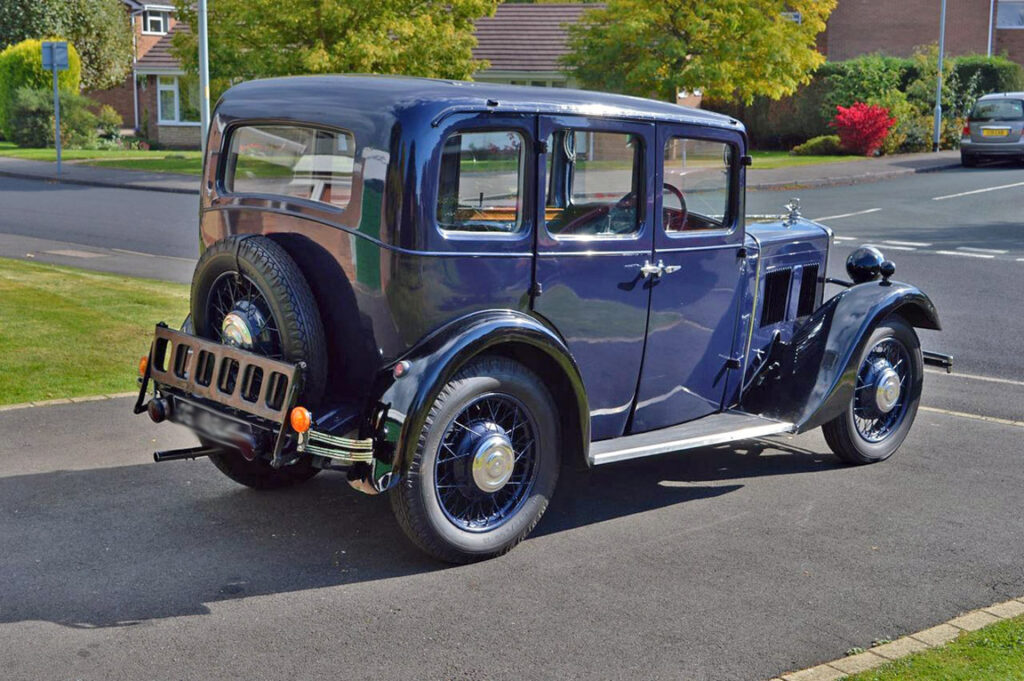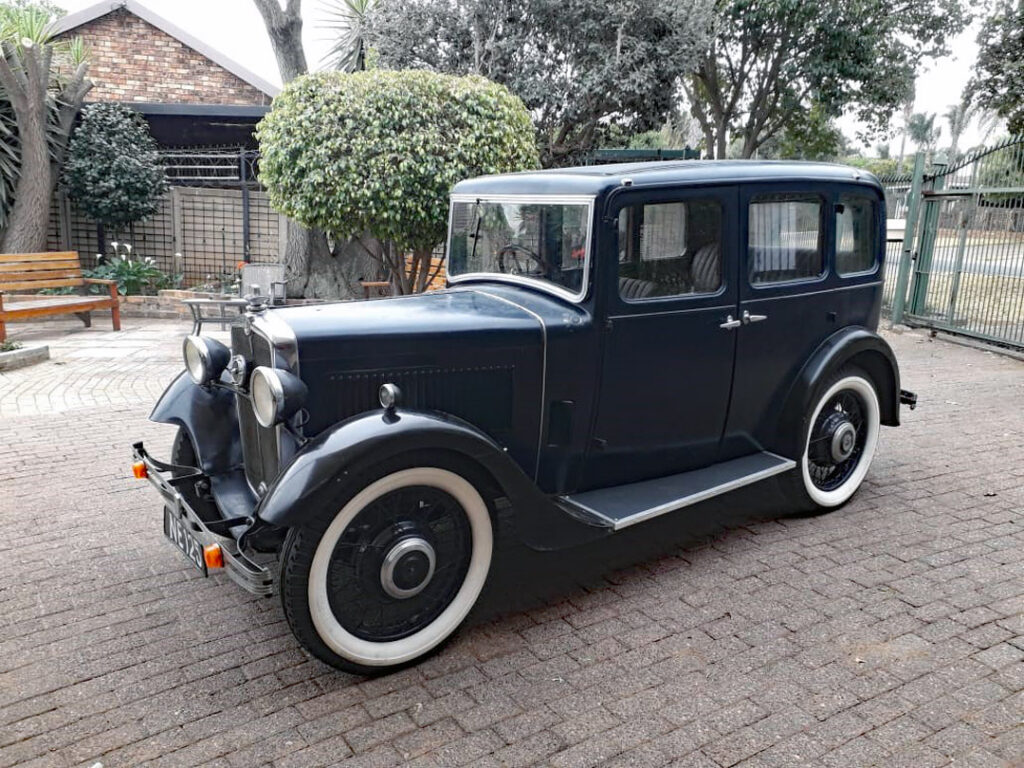
Sandstone’s 1933 Morris 10
Keeping its ageing patina
Original text and pics by Sandstone Estates
Some editing by Axel von Tramp
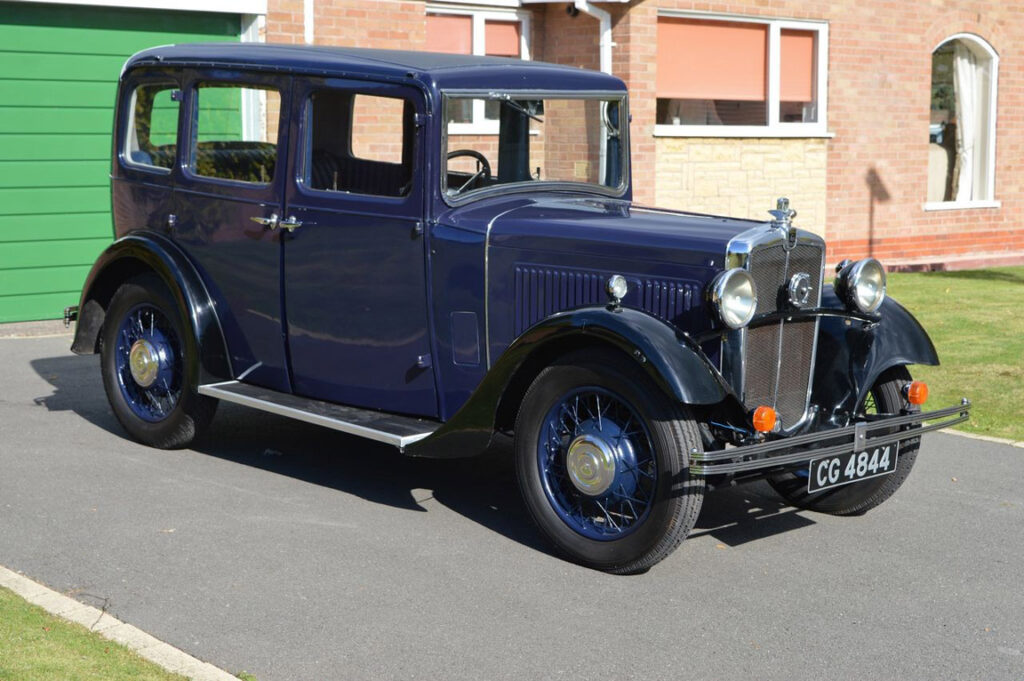
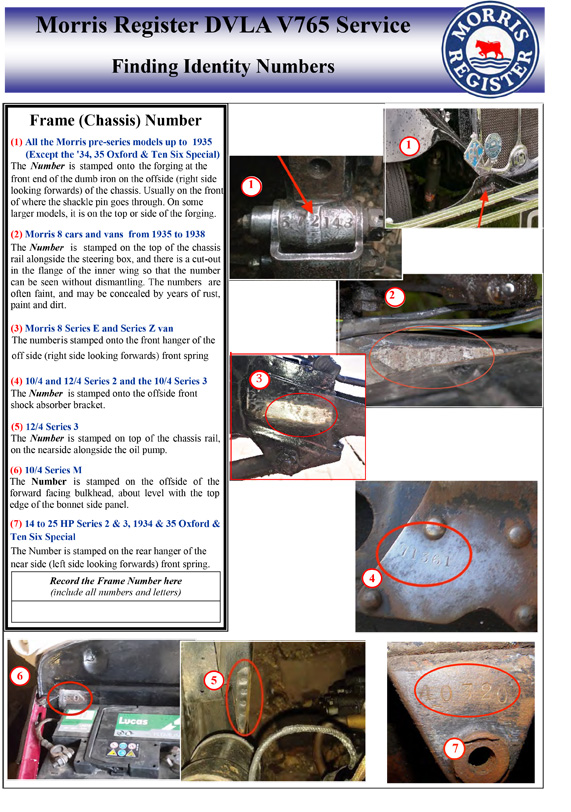
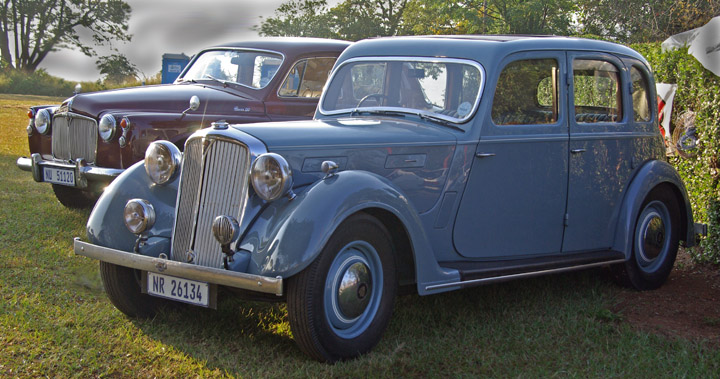
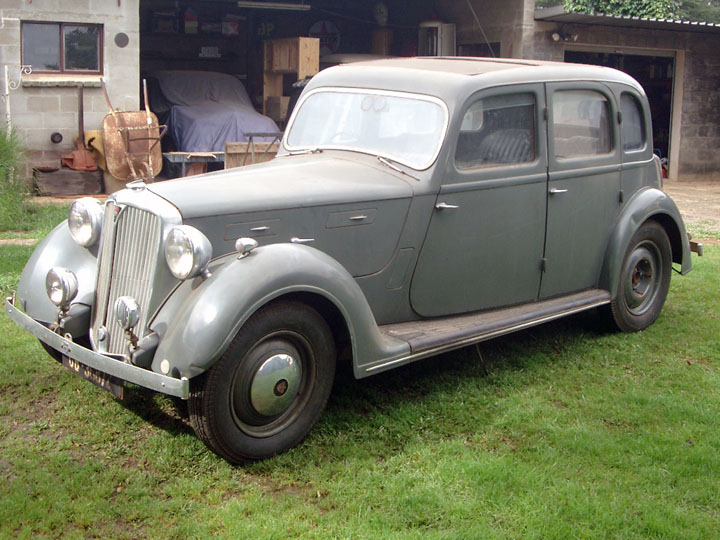
The recent article (https://oldcars.net.za/blog/2025/03/22/1933-morris-ten/ – ed.) on the Morris 10 brought to mind a restoration, that we did at Sandstone, of a similar car. Our car, which we acquired from a deceased estate in Estcourt, was originally thought to be a 1934 example. Since then we have established that our vehicle’s chassis number, 2673, identifies it as a 1933 model and not a 1934 as originally thought.
This is a further – well preserved and highly original – vehicle from the same owner, Dennis Pietersen, as our 1935 Ford V8 Bakkie that remains as yet unrestored.
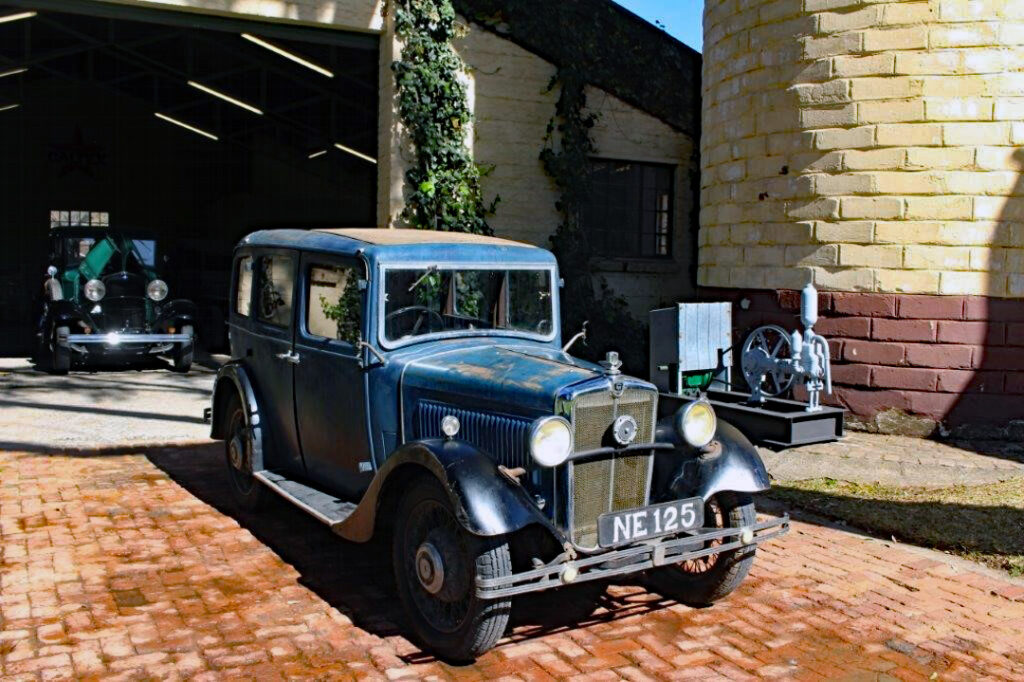
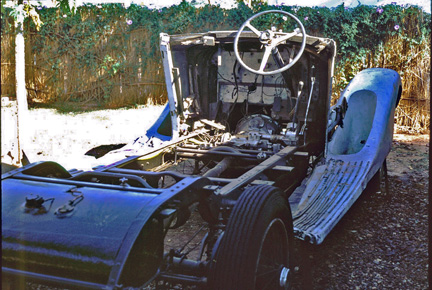
Up on blocks, slap in the entrance to his workshop, stood the Morris. Dennis was reticent about it and didn’t encourage interest. Beyond the fact that it had belonged to his late father, and had been driven in to its current spot after his death, he would say very little about it. And would get really annoyed if one even hinted at his selling it.
One can only speculate how long it had stood there, by the turn of the last century, when Dennis himself passed away or how many “City” collectors – scenting a bargain and turning up with cash – had been sent off with Anglo Saxon curses ringing in their ears.
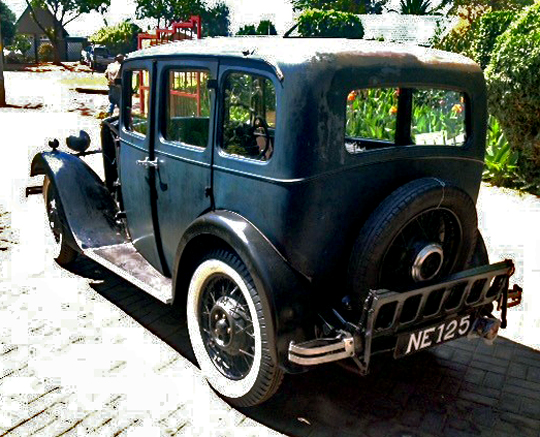
Tom Kirkland, who started the restoration in 2016, takes up the story:
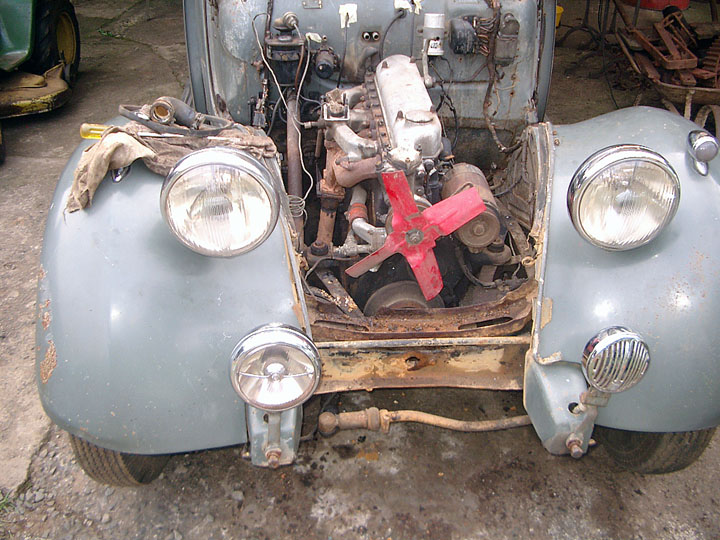
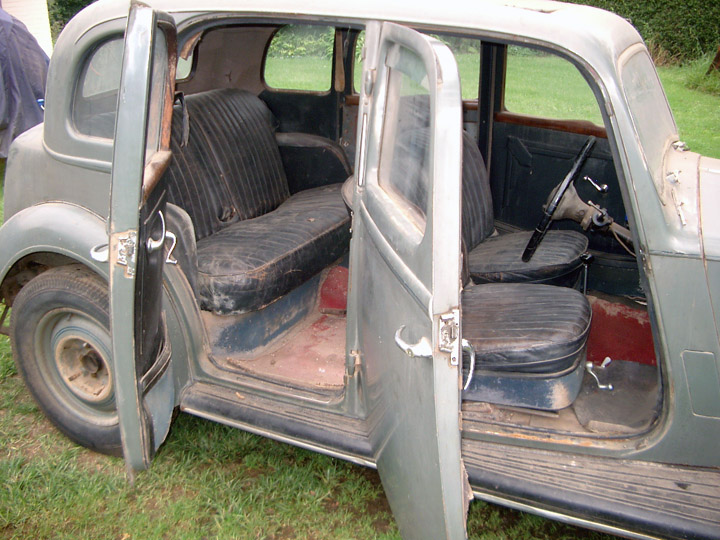
While I have been a Volunteer, working at Sandstone Estates over the past 11 years, I have always admired this little Morris. It was parked in the sheds, among redundant tractors and farm implements, but I considered it eminently worth restoring. I could not detect any rust and all parts appeared to be present.
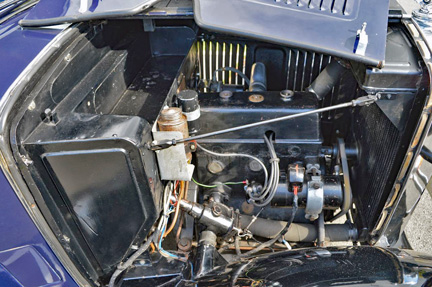
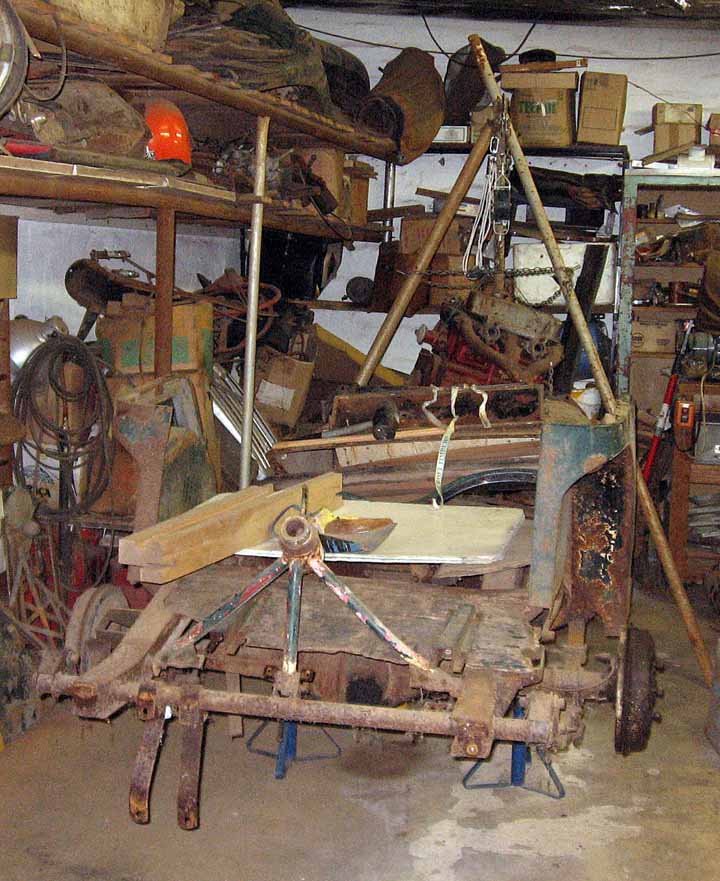
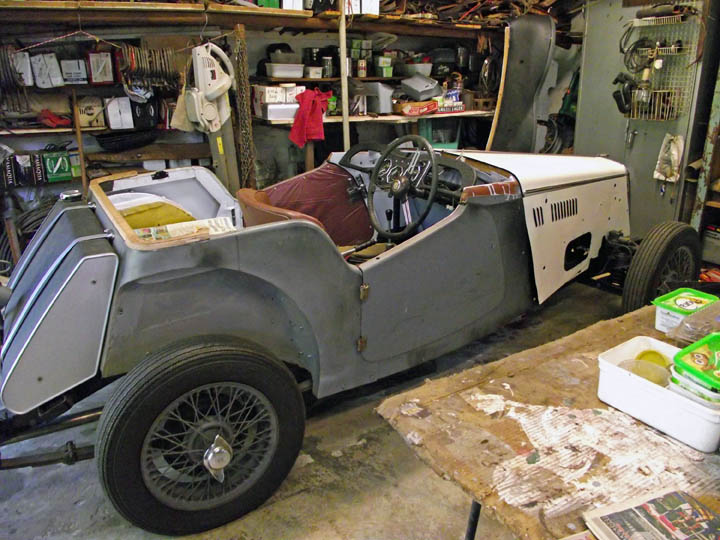
Last year Sandstone brought it up to Johannesburg for me to work on at home. Now that I have been able to strip it down, I have found that most parts are hardly worn. The speedometer shows a mere 25,000 miles. That seems to be its true mileage. I have now found that the motor’s water chambers need a good flushing out; whereafter it can easily be re-built with light honing, new pistons, rings and bearings.
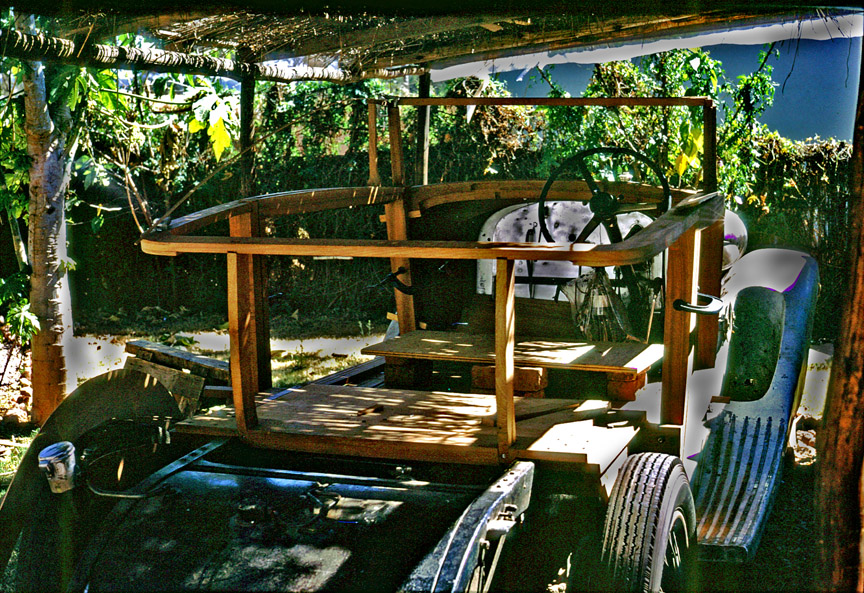
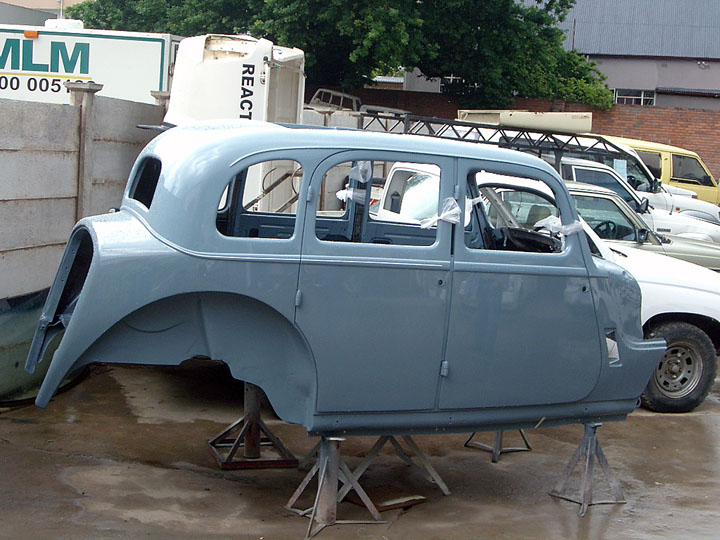
The diff and gearbox will be checked but they appear to be in good order with no oil leaks. The radiator and fuel tank have been checked. The radiator will be re-cored, the fuel tank has been cleaned and a bad dent in it will hopefully be straightened out. The brake system was easily repaired with new linings and rubber seals. Wheel bearings are still firm and just need to be re-packed with fresh grease. Its two electric Trafficators are the only items that are missing. Can anyone please help find these because we never could? (Leads to: daver@sandstone.co.za – ed) The next major tasks will be the upholstery and a good paint job for the body work. In the end that was not done; as you will see.
Up to now most parts have been cleaned and the engine, gearbox, and differential are presently at an engineering works. Soon, therefore, it will all need to be re-assembled – over the next year or so. Presently the old-style ‘Knee-Action’ shock absorbers are proving to be quite a challenge but I’m sure we’ll get them working again.
Chapter two:
Sadly, Tom Kirkland became unwell and was unable to complete the restoration. There were also various issues with the engine that remained unresolved until quite recently. As all classic car enthusiasts will know there are always many “experts” but sadly, without Tom, we ran into difficulties with completing a satisfactory rebuild of the engine. The project was shelved as the COVID pandemic hit South Africa.
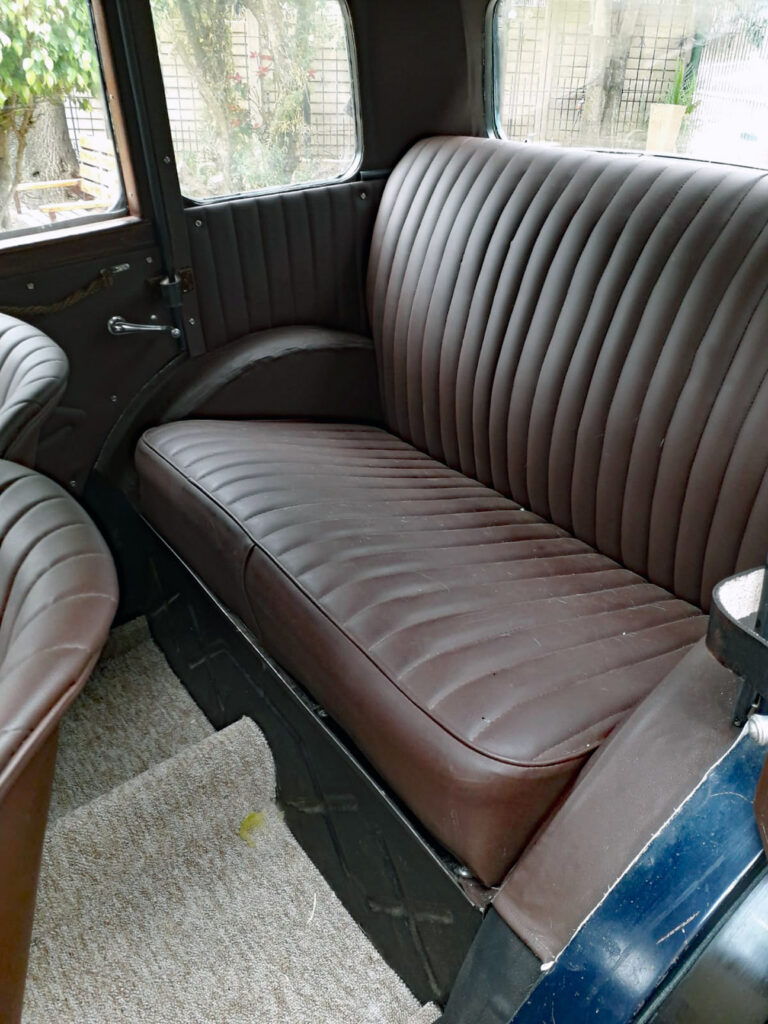
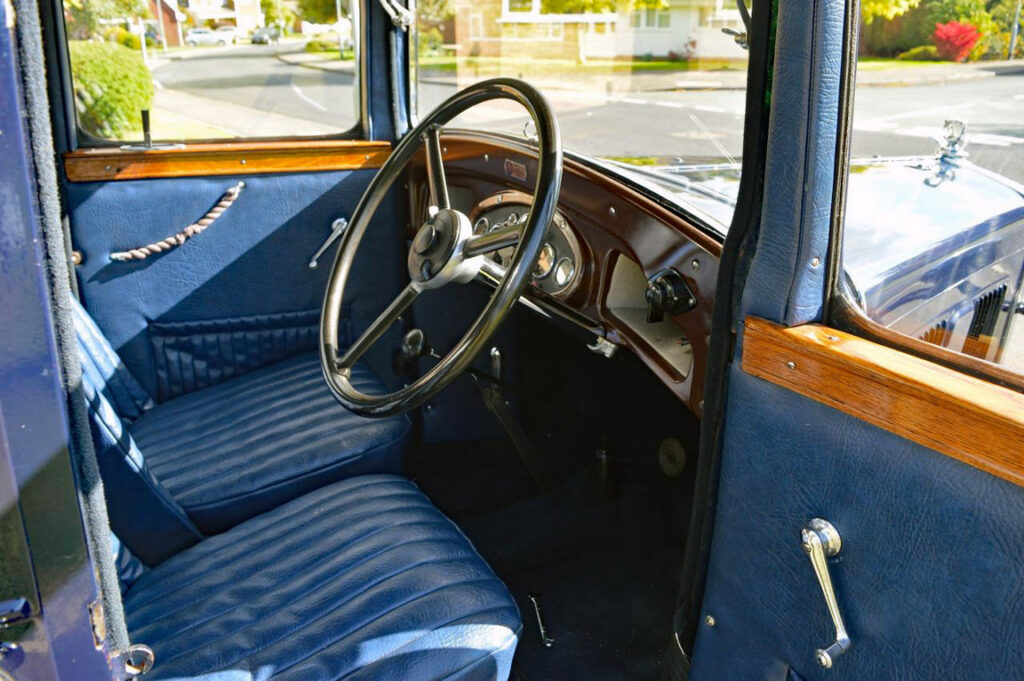
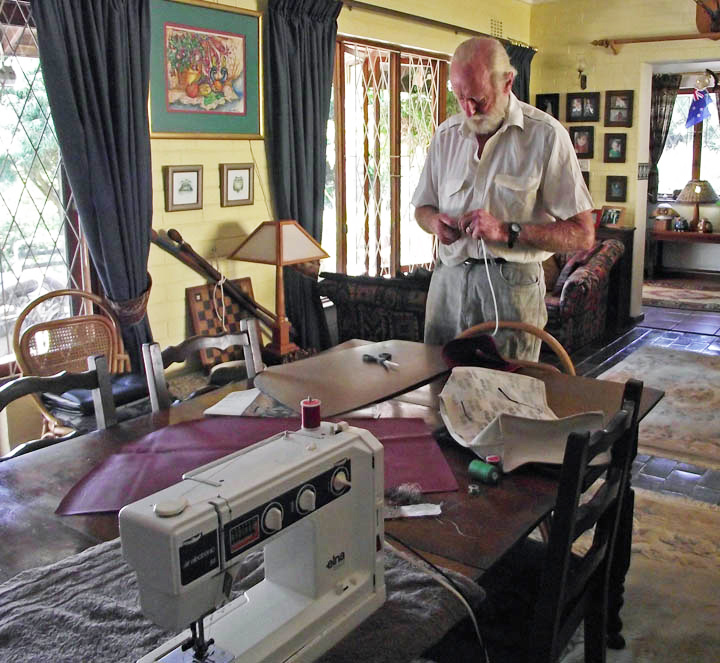
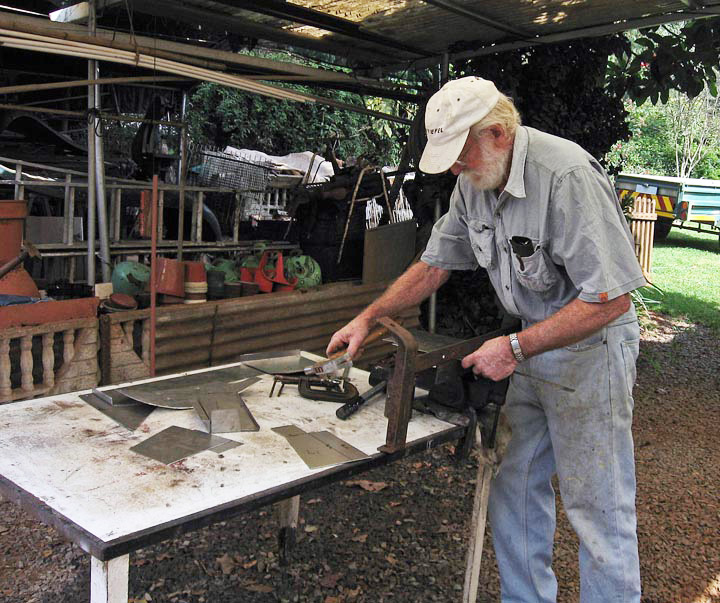
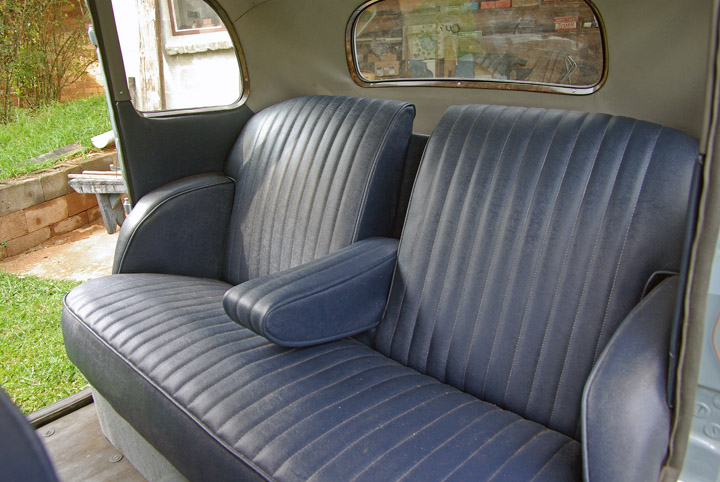
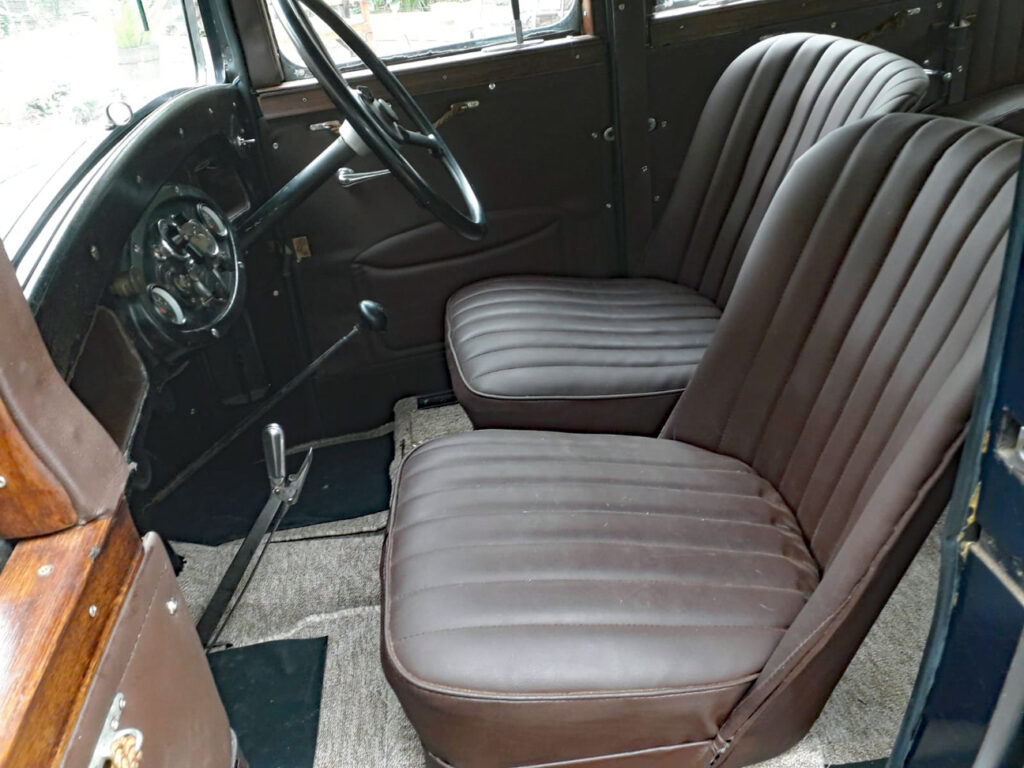
It was not until 2023 that the project was revitalised with a new hand on the wheel. This was none other than Lukas Nel who, apart from being the master restorer of most of Sandstone’s steam locomotives, was also highly skilled with old vehicles and he breathed new life into the Morris 10 by reupholstering the interior and spent three weeks hand polishing the paintwork to remove 80-plus years of grime and dirt.
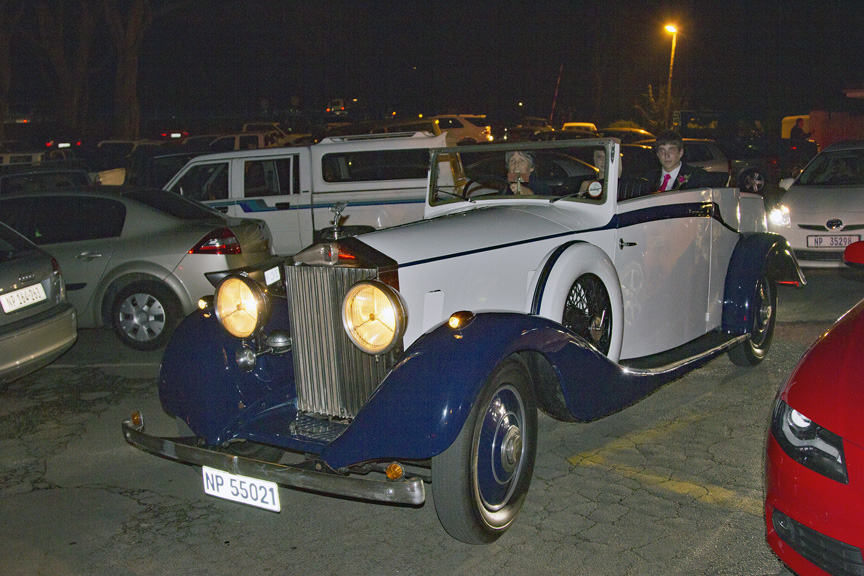
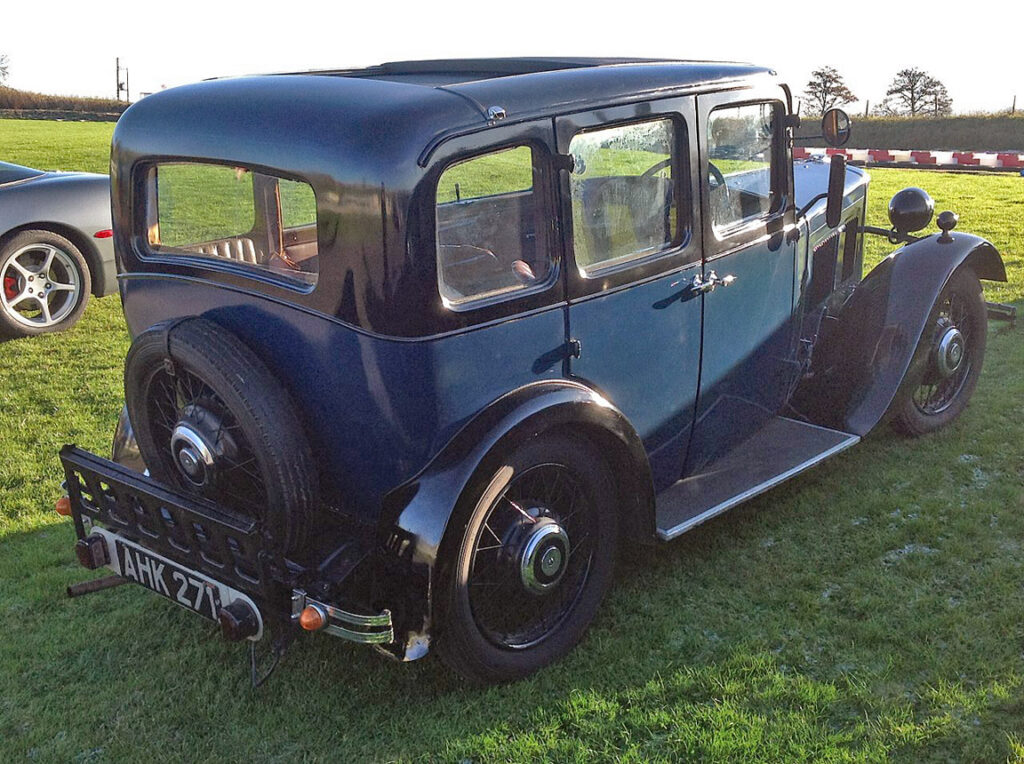
We specifically did not want to respray the car so as to keep its ageing patina. The engine and gearbox were sorted out by Tobie Meyer who has assisted Sandstone with several projects, including our BSA Railcar and the Allen Trench digging machine. Like Lukas Nel, he’s a man of many talents.
The Morris is now looking splendid and sees the odd run in Johannesburg.
Some numbers
Engine: Morris 1292 cc, four-cylinder side-valve, two valves per cylinder, naturally aspirated
Power: 24 bhp @ 3200 rpm
Transmission: Four-speed manual
Acceleration: 0-50mph, 33.0 secs
Overall fuel consumption: 35.0 mpg Imperial
Tyres: 4.50/19 crossply
Fuel tank: 6.5 gallons Imperial (29.5 litres)
Turning circle: 37.0 feet
Kerb weight: 19.5 cwt (991 kg)
Production run: 1932 to 1935
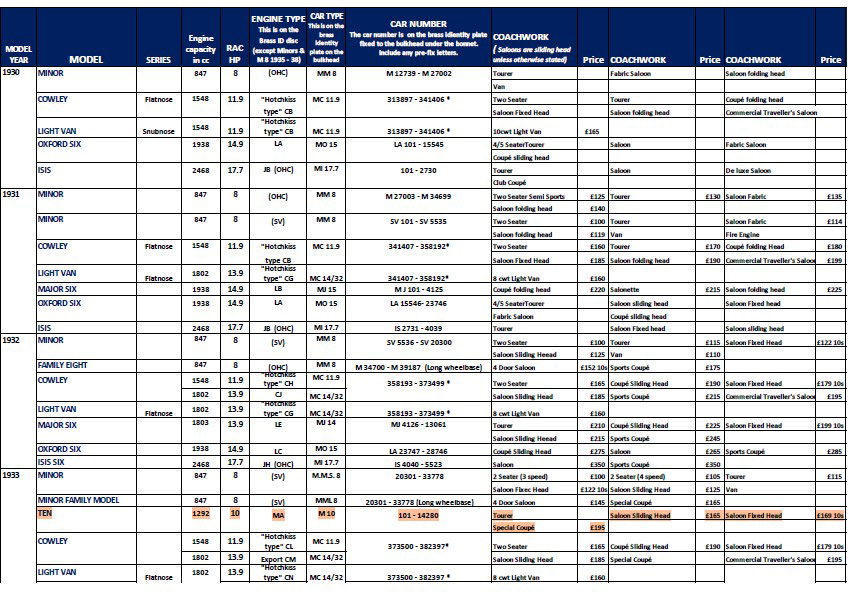
Body styles at launch were: fixed-head saloon at £169-10-0, sliding-head at £165-0-0, two-door Special Coupé for £195-0-0
Views: 8