Blog

  • PASSION and PRIORITY

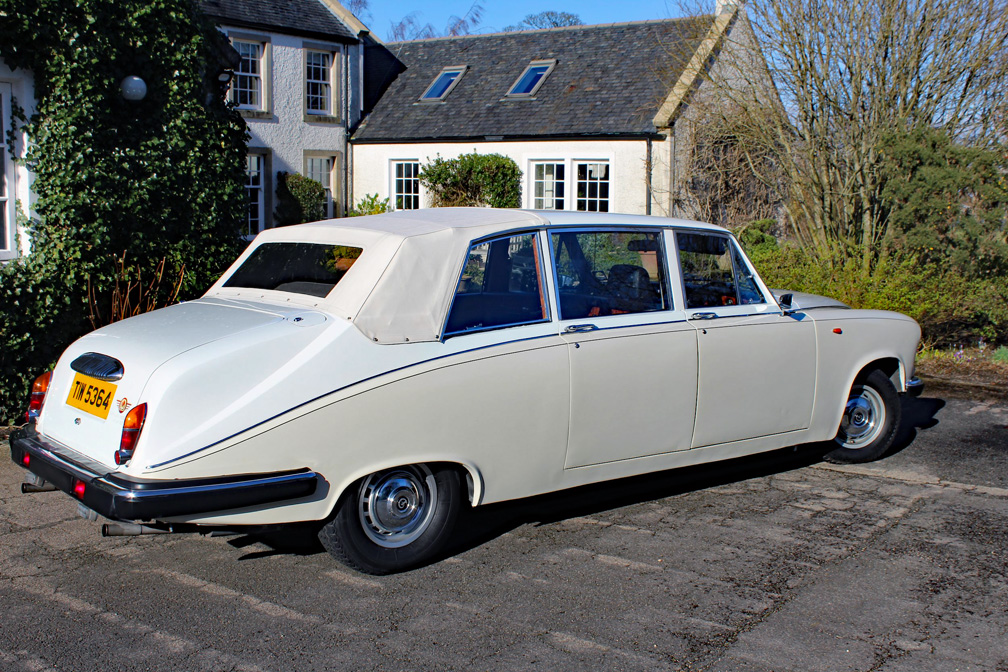
    This article tells of how one couple adopted a 1973-1979 Daimler Double-Six 5.3 V12
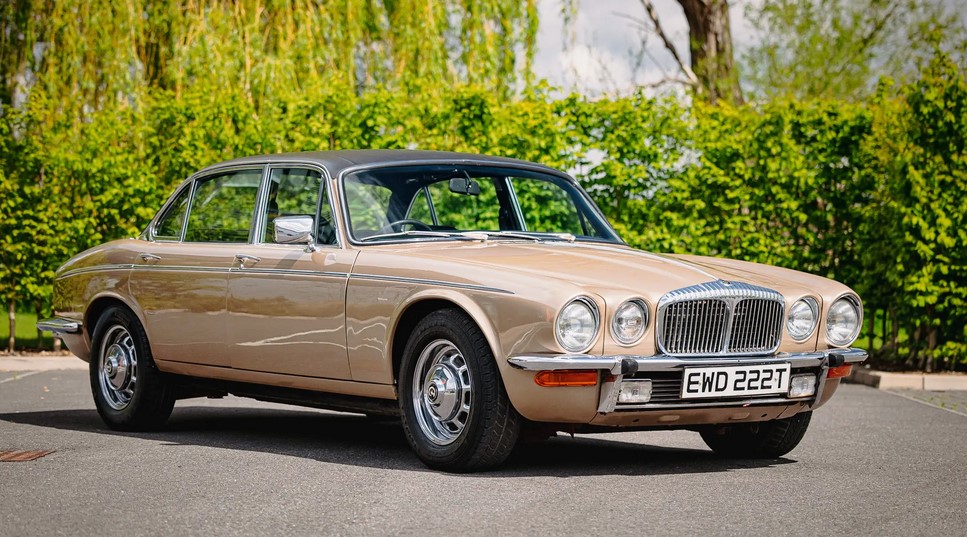
    This piece was written 21 years ago by a friend who is sadly no longer with us. As an “acquisition tale,” it’s a little different from the usual style of such things and certain details are perhaps not to be recommended. But it’s a cracker nonetheless.

    Geoff is my friend and neighbour. Even if he were not, I’d always be nice to the grumpy old codger because he has a beautiful, white E-type coupe in original, pristine condition. One day he may let me drive it. I hope he reads this.

    On a warm winter’s day, in April, he and I set off from Nottingham Road, bound for the Cannon and Cannon Vintage Car Auction in Hilton. I had been there two days previously, when my eye had fallen upon a red 3.8 Mark 2 (Inspector Morse type) Jaguar. On closer inspection it was a bit of a “paint job”, but possibly worth a bid if it went cheap. It did not so I did not.

    In passing I had noticed a golden Daimler Double Six with the bonnet up (usual mode). A quick glance revealed that the fan-ventilated battery-box was missing; so I looked no further. My mild interest stemmed from having driven my late father’s Double-Six in the ’80s. He had purchased it almost new, in part exchange for his old Sl Bentley.

    Five years’ hard work finished off the Double Six; I suspect the Sl is still running. If someone has up-graded the front dampers and put on radial tyres, it may even be possible to drive it in a straight line and not have to avoid the cats’ eyes in order to do so. After 20 years’ use, the Sl sold well. After 5 years, the re-sprayed Double Six did not. British Leyland/Daimler/Jaguar designed some good cars; such a pity they could not build them so well.

    At the Auction, the Double Six with bonnet down (unusual mode) had good, clean, upholstery and the original paint. As I looked into the boot, someone started the engine. I did not get covered in black exhaust. It runs; it is golden and good to drive, as fond memories remind me. The bonnet is up again and I discover the catch is faulty, which explains a lot!! I peer in, and mention to another peerer, that the battery-box is missing. A long explanation follows and I am shown a secondary electric cooling fan fitted for South African models.

    We chat on: he must have been a Jaguar-Daimler Club member. He was polite, shaven, well dressed, probably rich, and far worse than all this, assumed I knew the engine well. I actually only knew the results of this monster; complicated, quiet power coupled with an insatiable thirst. The day was hot and time to attend to my own thirst.

    Then I met the owner’s brother, the vendor himself, living in England and only using the car for a few weeks each year. The auto dealer who had had the Golden Monster in his showroom in Durban was also there. I talked to someone who had tried to buy it and sleuth (me) discovered how much he had offered, and had been refused.

    I’m beginning to get excited, but must not show it. I think: “Don’t look at the car again or they’ll be on to you.” I eavesdrop on a conversation, “The gear box has been re-conditioned for R12,000 in Johannesburg.” The bidding starts. I melt to the back of the crowd, not easy when you are over six foot and weigh 18 stone.

    I do not bid. In increments of R500, the price is rising steadily and so is my passion to possess this limousine. There is a pause in the bidding, I whack in a bid of R2,000 over the last offer. David Cannon bangs his clipboard shouting, “Sold to Mr. King at the back, but subject to the vendor’s confirmation”. I never saw the dealer or the vendor’s brother again …

    A golden Daimler Double Six is back in the family … sign this … go to the office … the number plates are not included … sign again. Help, where is Geoff? Will he refuse me a lift home? Is he furious? Who cares; it will be nothing to what my first passion, my wife Chris, will say, when I tell her what I have done. Her last words, still ringing in my ears were, “Enjoy yourselves. Don’t buy anything”, but then the ‘phone rang and I was saved from answering her.

    The next task is a plea to Cannon and Cannon to help preserve my marriage, if not my sanity (too late for that!) and let my Daimler stay until Monday – four days. They agree; they are fabulous people and they know Chris too! Geoff drives me home to the front door and promptly puts foot to his Mercedes Kompressor (coward) leaving me to face the storm.

    It rages for a couple of days but there are calms and sunny periods. On day four we collect my passion and Chris almost smiles when she sees it. She concedes that she understands why I felt the passion, even if she cannot agree with my priorities. “You promised not to buy anything.” “Oh, No! I didn’t. You asked me not to buy anything, but I made no promises.” . . . . and so it went on, for hours.

    When we arrive at the Country Club the golden monster attracts much interest. The bonnet opens un-aided and the crowds peer inside. Chris tries not to be impressed. At a Bonnets Up in Durban, I explain to all present the technicalities of the V12. Do they believe me? Are they just being polite, or are they as ignorant as I am?

    Four months on, my passionate wife and I share this gilded chariot. Six months on, I refuse three times what I paid for it.

    Does anyone in the club have a bonnet catch for sale? If so, please contact my wife. By e-mail.

    -John King

    ==================================================
    Some technical details:
    Country of origin: GB United Kingdom

    Make: Daimler (U.K.)

    Model: Sovereign XJ Series II 1973-1979
    Submodel: Double Six Series II 1973-1979
    Class: full-size luxury / luxury car
    Body style: sedan
    Doors: 4
    Traction: RWD (rear-wheel drive)
    Dimensions & capacities
    Length: 4945 mm / 194.7 in
    Width: 1770 mm / 69.7 in
    Height: 1375 mm / 54.1 in
    Wheelbase: 2865 mm / 112.8 in
    Front track: 1473 mm / 58 in
    Rear track: 1488 mm / 58.6 in
    Ground clearance: 178 mm / 7 in
    Turning circle btw. kerbs 11.9 m / 39 ft
    Drag coefficient Cd estimated by a-c: 0.46
    Frontal area A estimated by a-c: 2.02 m2
    Drag area CdA estimated by a-c: 0.929 m2
    Trunk (cargo) capacity claimed: 481 lit/ dm3
    Boot length: 902 mm / 35.5 in
    Boot width: 1130 mm / 44.5 in
    Kerb weight (without a driver): 1870 kg / 4123 lbs
    Powertrain
    Engine manufacturer: Jaguar V12 5.3-Litre
    Engine type: spark-ignition 4-stroke
    Fuel type: gasoline (petrol)
    Fuel system: 4 carburettors Zenith-Stromberg 175 CDSE
    Charge system: naturally aspirated
    Valves per cylinder: 2
    Cylinders alignment: V 12 SOHC
    Displacement: 5343 cm3 / 326 cui
    Bore: 90 mm / 3.54 in
    Stroke: 70 mm / 2.76 in
    Compression ratio: 9 : 1
    Horsepower net: 186.5 kW / 254 PS / 250 hp (DIN) / 6000 rpm
    Torque net: 408 Nm / 301 ft-lb / 3500 rpm
    Fuel capacity: 91 litres / 24.1 U.S. gal / 20 imp. gal
    Drivetrain
    Gearbox: Borg Warner BW 12
    Transmission type: automatic
    Number of gears: 3
    Standard tyres: 205/70 VR 15
    Performance – Factory claim
    Top speed: 225 km/h / 140 mph
    0-60 mph (s): 7.5
    0-100 km/h (s): 7.9

    Views: 8
  • MOBY DICK – an encounter with a Great White Whale

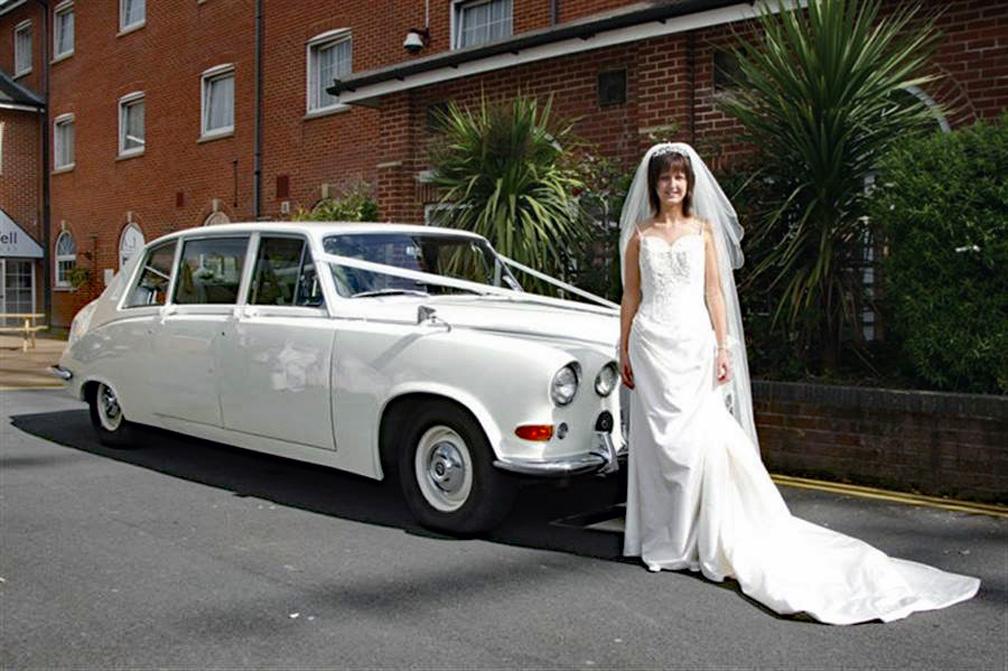
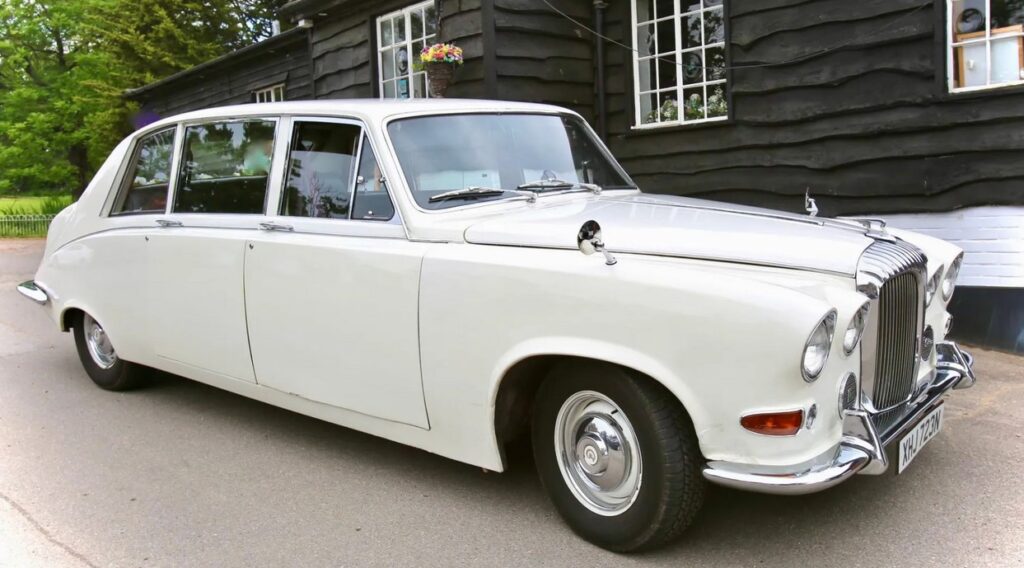
    This article, written just over 21 years ago by a friend who is no longer with us, tells the tale of how he borrowed another bride-car chauffeur’s wedding chariot because his own was VOR (vehicle off road) at the time.

    Let us be clear, at the outset, that this piece is nothing other than flattering, but when the owner of a car is called Melville and the car in question is white, 5.7m long and 1.97m wide, what can spring to mind other than that epic tale of mammalian marine life?

    The story starts back in September when a bride-to-be, planning her wedding, called around to view Hortense my Daimler One-O-Four Auto. Although effusive in her praise of Hortense’s styling, presence and general understated elegance, there was one problem. The car is green, Balmoral Green admittedly, but green nevertheless. This good lady never sets foot in green cars, and would certainly not be travelling to her wedding in a green car.

    However, as she was about to leave, she spotted Lydia my S-Class Mercedes which, apart from being commodious, is white – a colour often associated with weddings and, in the eyes of the impending bride, a lucky colour.

    This turned out to be a mistake as, to cut a long story short, Lydia was unexpectedly detained – mere hours before the wedding – at Garden City Motors waiting for a part to be sent out from Sindlefingen, and was therefore temporarily unavailable. And so it was that I turned to Colin Melville, owner of another Daimler, the later model DS 420, who at one-hour’s notice kindly offered to loan his car to me.

    In the first paragraph we have already considered some of the Daimler DS 420 statistics, but here are some more: The car weighs in excess of 42 cwt ( 2 139kg ), has a floor pan 20 ins longer than a Mark X Jaguar and is a genuine 7/8-seater. A more than adequate top speed of 115 mph (184 km/h) and acceleration of 0-100 km/h in 12 seconds was, and still is, quite excellent. On the market between 1968 and 1995 it proved to be one of Jaguar-Daimlers longest-lived marques.

    Styled by the old master, William Lyons, there are strong cues derived from the Hooper coach-built Empress line, sweeping lines, hooded headlights all reminiscent of the mid-fifties Docker days. This gives the car phenomenal elegance despite its sheer bulk, although to my mind white is probably the least flattering colour for these limousines.

    Colin’s car was built by Vanden Plas in London – later cars were built in Coventry – and still sports the flying “D” above the radiator grille. These were later banned in the interests of safety although no one can supply me with any figures on how many people were actually killed by flying Ds. It has a fascinating history, employed as it was in the carriage trade for 30 years. The list of people who have travelled in the back is extensive and impressive.

    So what was it like to drive such a car? At the end of a day that saw two return trips from Howick to Nottingham Road on the Old Road, and some VERY tight manoeuvring outside Lysna Mallard guest house, I admit to have been exhausted. This was partly due to the nervous tension of driving someone else’s huge car at someone else’s wedding, and partly due to the driving position of the car.

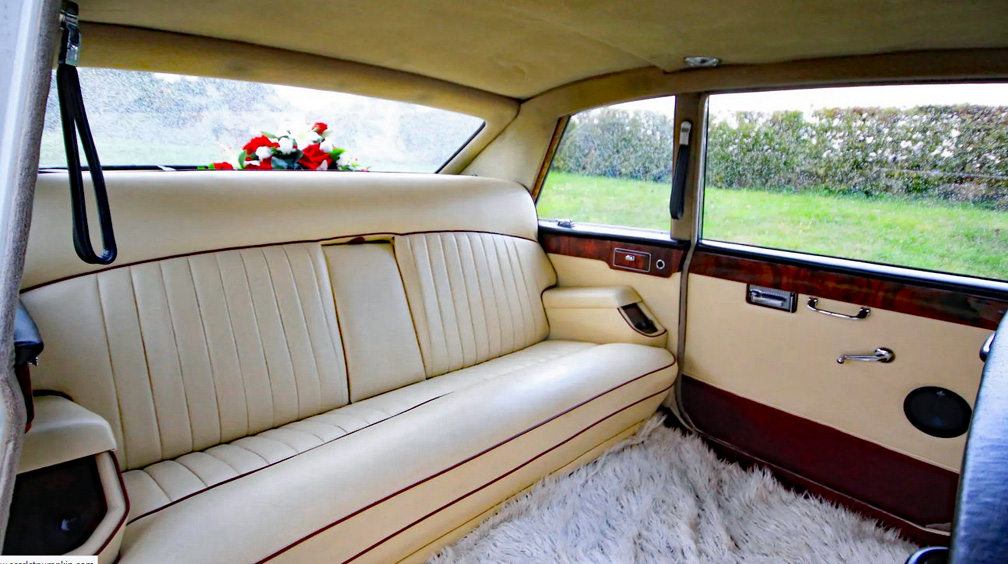
    Passengers in the back were able to spread out in comfort, and I was able to seal them off. At the touch of a button the glass partition between the driver and the passengers sweeps shut. However this is a limousine and the driver comes last. Every limousine I have ever driven, admittedly only four, has had appalling driver space. You sit tight up against the steering wheel with your knees on backwards to press pedals that seem to be tucked away high under the dash.

    The power train is pure Jaguar Mark X/420G although the 4.2-ltr XK engine in this case has twin, not triple, carburettors producing only 245 bhp. The front and rear suspension is of Bob Knight design and exudes the usual Jaguar artistry. The big limousine has phenomenal road holding and handling with a smoothness that is still impressive and enjoyable 30 years later. Impressive also were the brakes – discs all around naturally. Despite the cramped driver space I must admit to have enjoyed the experience. The car cannot be described as nimble, but it is surprisingly agile in the manner of a sumo wrestler dressed in a well-cut suit.

    But is it really a Daimler? Well yes and no. It has many Daimler characteristics, that of huge size, understated elegance (at least when compared with current limousines or indeed the Crewe product) It has striking styling from most angles, clearly derived from Daimler DNA, and it has four-wheel disc brakes – a Daimler characteristic on all models from 1958 – and of course automatic transmission (Daimler dumped conventional gearboxes in 1931). Critics will point to the XK engine and point out that the Turner designed 4.5-ltr V8 should have been used. This is correct, but this XK engine has been set up to provide huge gobs of refined low-end torque (I never needed more than 2 500 rpm the whole day) which is a strong Daimler characteristic.

    Perhaps the most compelling evidence to suggest that Sir William Lyons and the lads at Jag understood the Daimler approach was the way in which the Bride, wearing an impossible dress, managed to get through the door and into the back seat. Statically chic, the dress was about five feet wide at the base and needed three people to move it. Can you imagine getting that through the back door of a Mark 2?

    WJ Quigley

    Some technical stuff:

    Powertrain

    Engine manufacturer:

    Jaguar XK6 4.2-Litre

    Engine type: spark-ignition 4-stroke

    Fuel type: gasoline (petrol)

    Fuel system: 2 carburettors

    Dimensions & capacities

    Length: 5740 mm / 226 in

    Width: 1968 mm / 77.5 in

    Height: 1619 mm / 63.75 in

    Wheelbase: 3581 mm / 141 in

    Front track: 1473 mm / 58 in

    Rear track: 1473 mm / 58 in

    Ground clearance: 177 mm / 7 in

    Turning circle btw. kerbs: 14.02 m / 46 ft

    Drag coefficient Cd estimated by a-c: 0.44

    Frontal area A estimated by a-c: 2.64 m2

    Drag area CdA estimated by a-c: 1.164 m2

    Charge system: naturally aspirated

    Valves per cylinder: 2

    DOHC

    Cylinders alignment: Line 6

    Displacement: 4235 cm3 / 257.5 cui

    Bore: 92.07 mm / 3.62 in

    Stroke: 106 mm / 4.17 in

    Compression ratio: 7.5 : 1

    Horsepower net: 123 kW / 167 PS / 165 hp (DIN)/ 4250 rpm

    Torque net: 312 Nm / 230 ft-lb/ 3000 rpm

    Gearbox: Borg Warner BW 12

    Transmission type: automatic

    Number of gears: 3

    Traction: RWD (rear-wheel drive)

    Final drive ratio std: 3.54

    Standard tyres: 205/70 HR 15

    Top speed: 177 km/h / 110 mph

    Acceleration:
    0-100 km/h (s): 14.8
    0-160 km/h (s): 53.1
    0-60 mph (s): 14.0
    0-100 mph (s): 54.4

    Kerb weight (without a driver): 2210 kg / 4872 lbs

    Dry weight: 2133 kg / 4702 lbs

    Views: 12

  • Cars from elsewhere

    Stories of vehicles that don’t fit into other folders

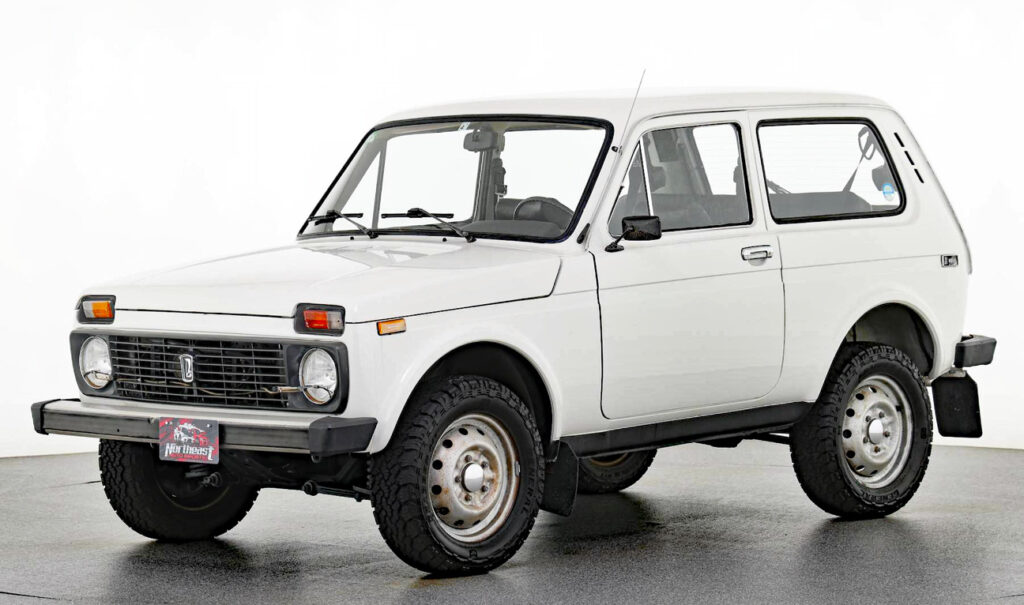
    The Lada Niva 1600 4×4 hails from Russia

    Waiting for content

    Comments, queries or want to tell us about your own cars?

    email us on: admin@oldcars.net.za

    Tell us about your old car and include some hi-res pics. Don’t worry if you’re “not a writer”. Give us the bare details and we’ll write it up for you.

    Views: 16

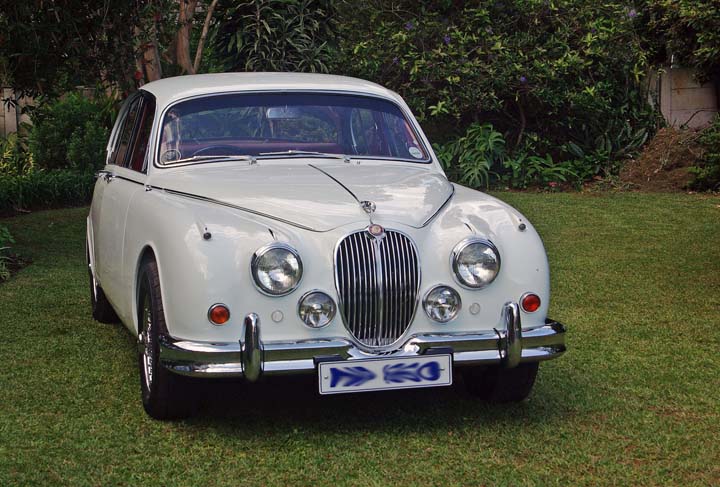
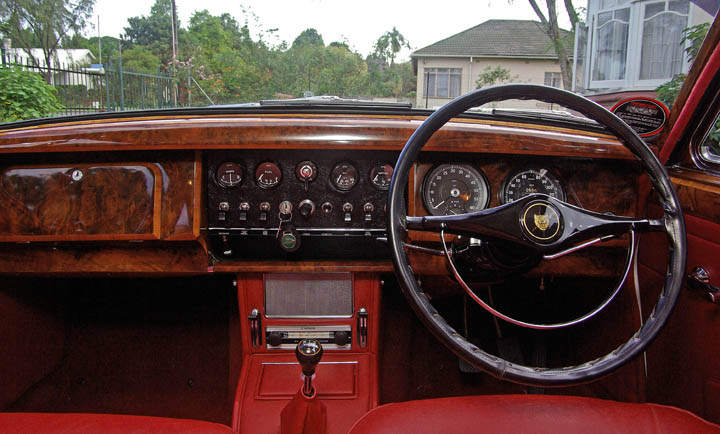
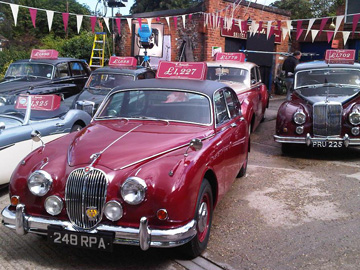
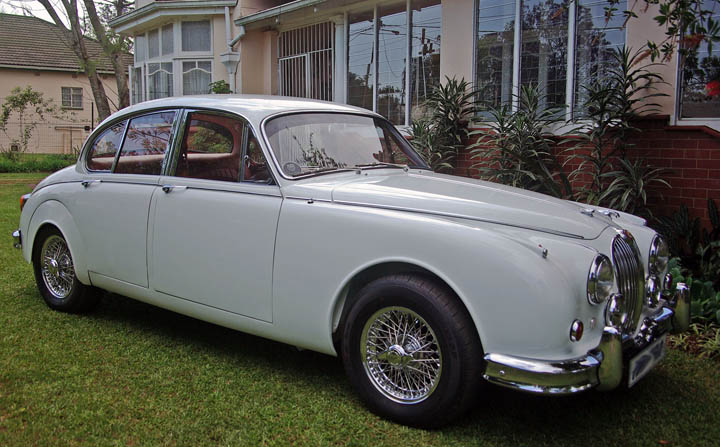
  • Jaguar Mark 2

    A golden anniversary review

    1964 Jaguar Mark 2 owned by Robin Phipson

    Views: 6

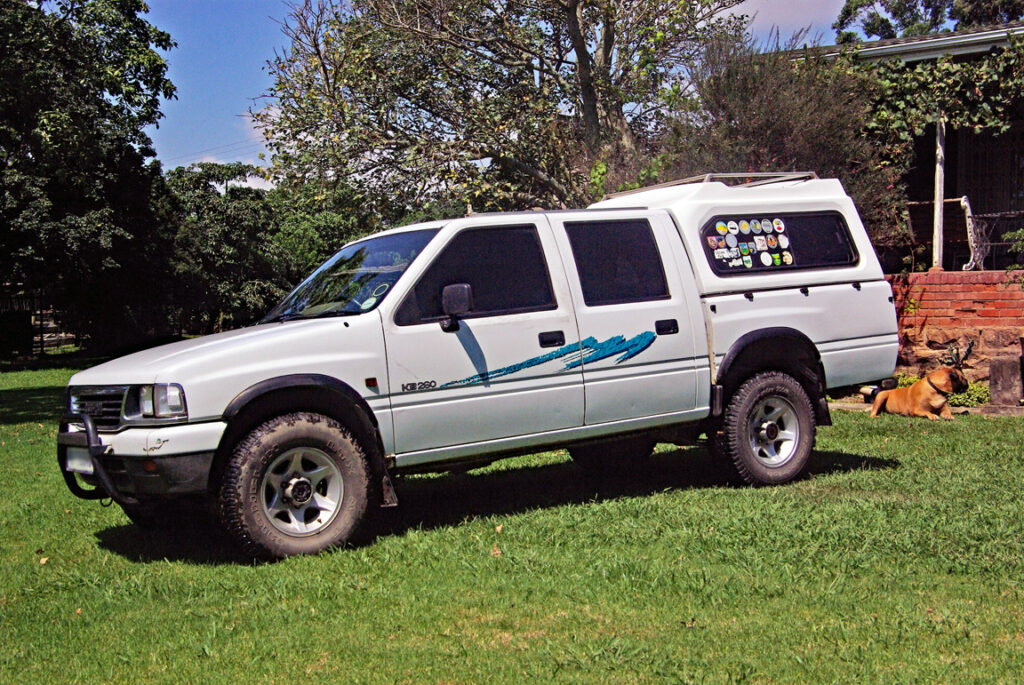
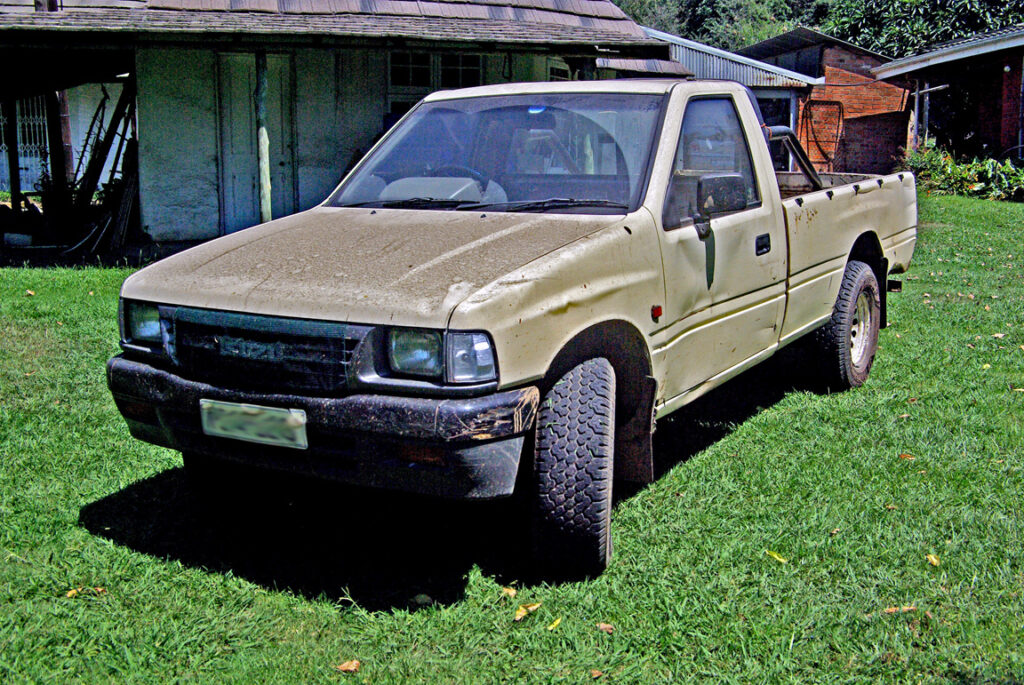
  • A tale of two bakkies

    The story of two old farm-working Isuzus

    Deecie’s specifications make today’s youngsters shake their heads in disbelief

    Pics by author

    Essie wears her scars proudly
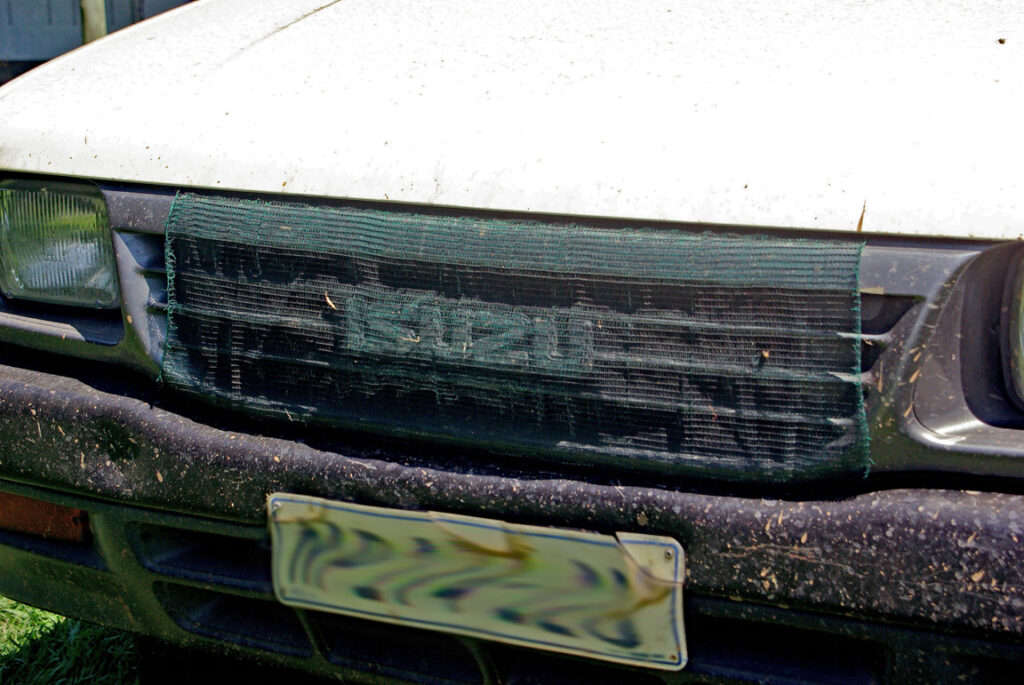
    Cheap plastic mesh keeps fire-borne grass seeds out of Essie’s radiator


    Views: 9

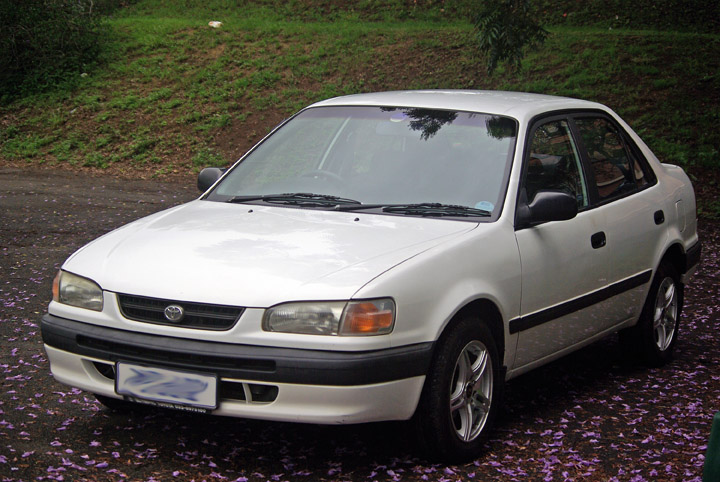
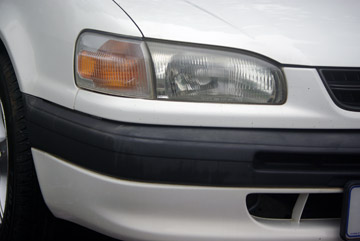
  • 1998 Toyota Corolla 1.3 GLE

    !998 Toyota Corolla review

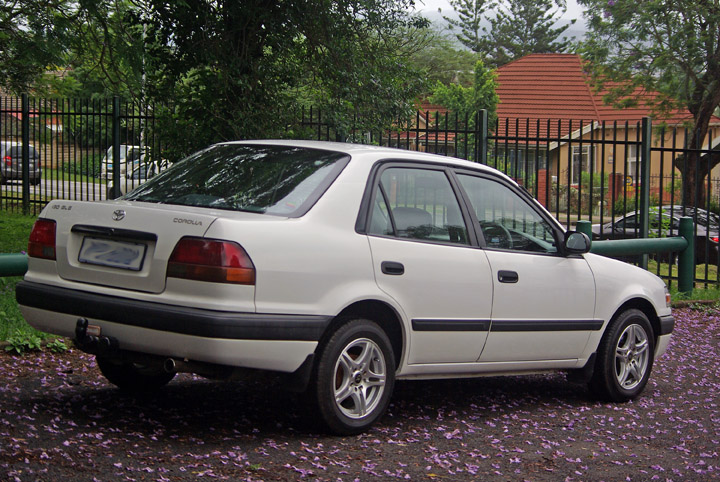
    Twenty-plus: 1998 Toyota Corolla 130 GLE (E-110)

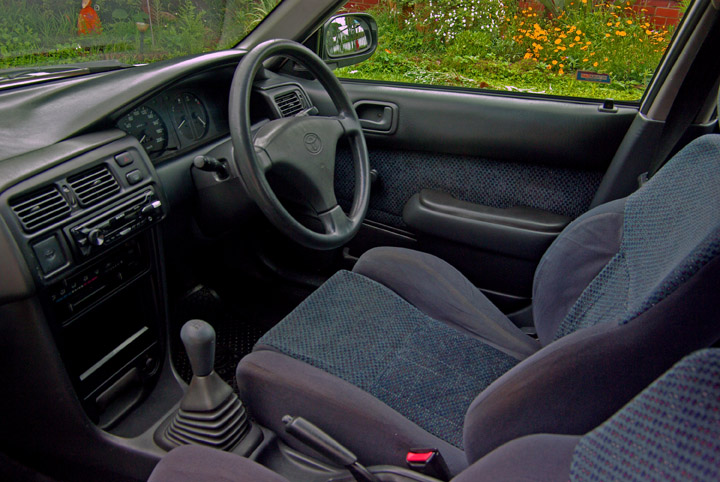
    The radio/CD player is an after-market item.
    The alloy wheels are after-market accessories


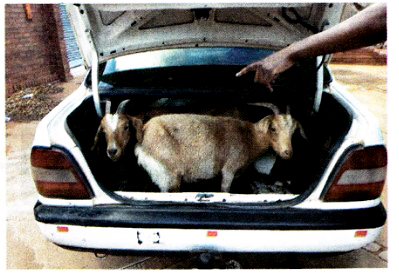
    As this clipping from a January, 2020 newspaper shows, the boots of Corollas like mine (this one belonged to a stock thief) can hold two small goats.

    Views: 34

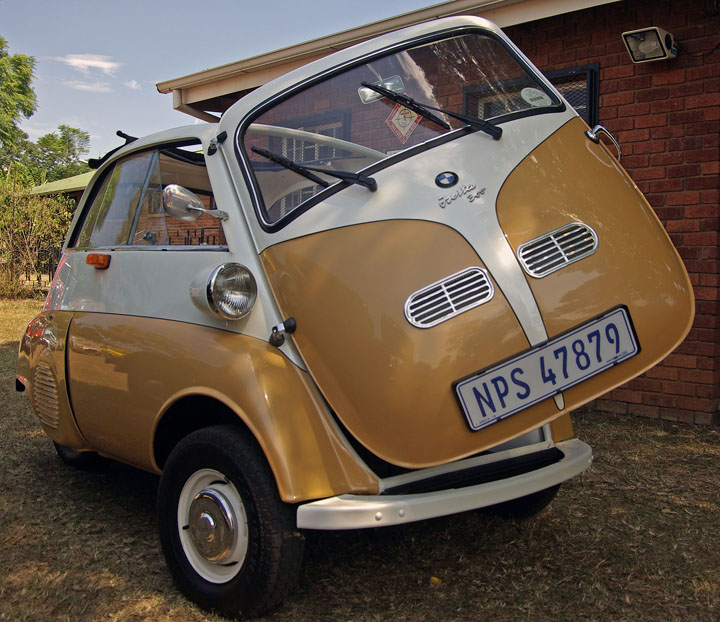
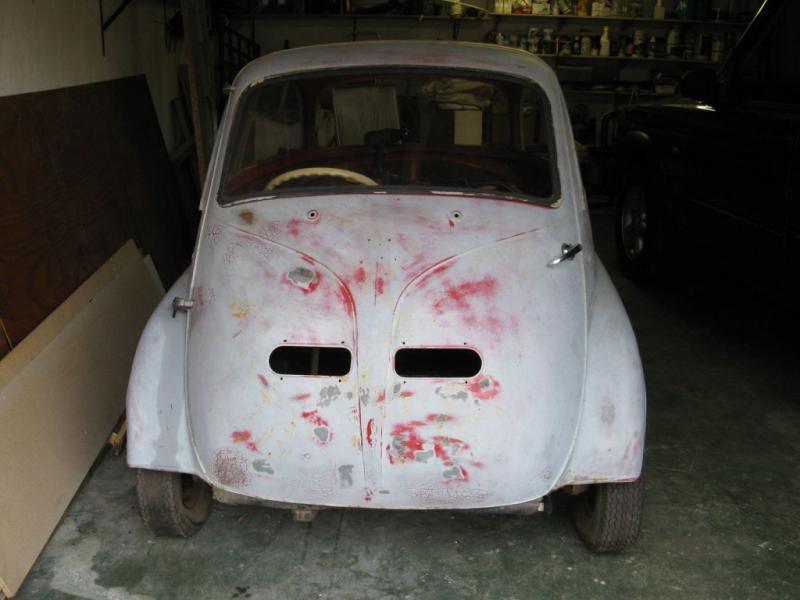
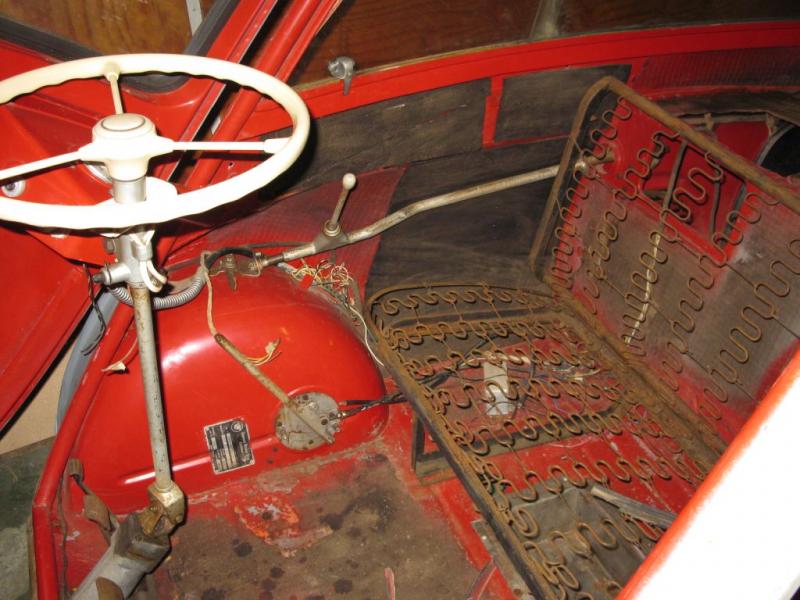
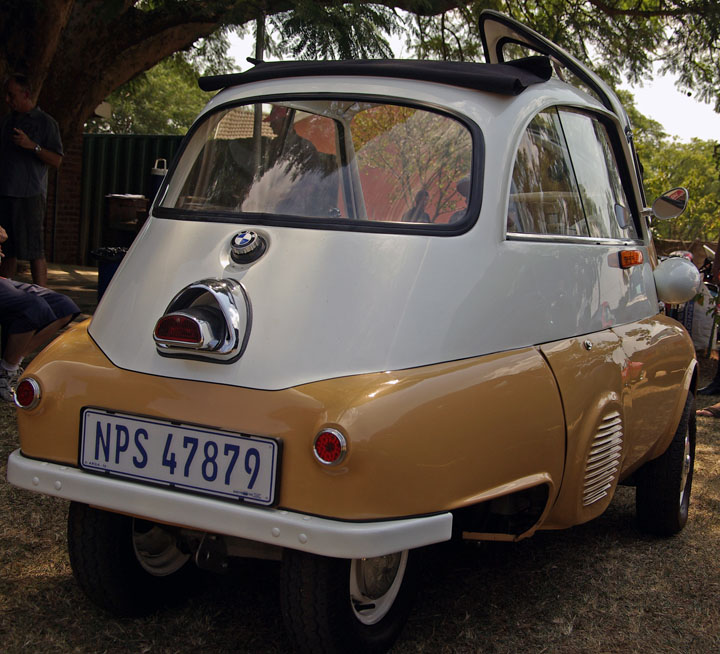
  • Bubble-, or Microcars: One couple’s passion

    An article on post-WW2 bubble cars

    Views: 13

  • 1954 MG TF 1500

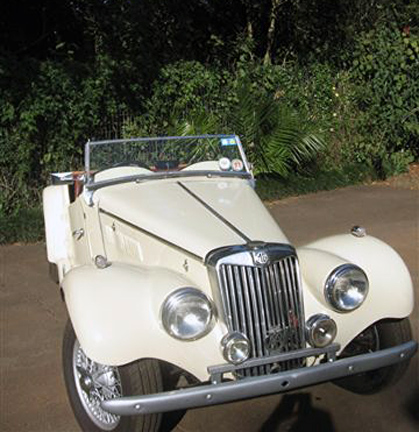
    The first thing to know about MG TFs is that there were two versions. The first, introduced in 1953, was fitted with BMC’s 1250 cc XPAG engine that produced 43 kilowatts and 88 Nm. For a mid-1954 update that motor was switched out for the 1466 cc XPEG unit developing 47 kW and 106 Nm. The wizards of Abingdon also wanded away 39 kilograms of excess mass. That Chapman chappie’s “Just add lightness” Lotus Seven arrived in 1957. Just mentioning…

    Here’s a tale about one man’s 1954 TF 1500:
    People make plans. Life gets in the way. So it was with Ian Grieve. He’d planned, following school, to study medicine in Cape Town. Fate saw to it that he read the Hippocratic Arts at Trinity College, Dublin, instead. While there, he owned an MG TC and the damage, as they say, was done.

    Back home in Pietermaritzburg life went on but, one day during the ‘seventies, the MG bug bit again. He bought a bundle of parts, supposedly a complete 1947 TC, firmly intending to reassemble them. They remained on shelves in his garage.

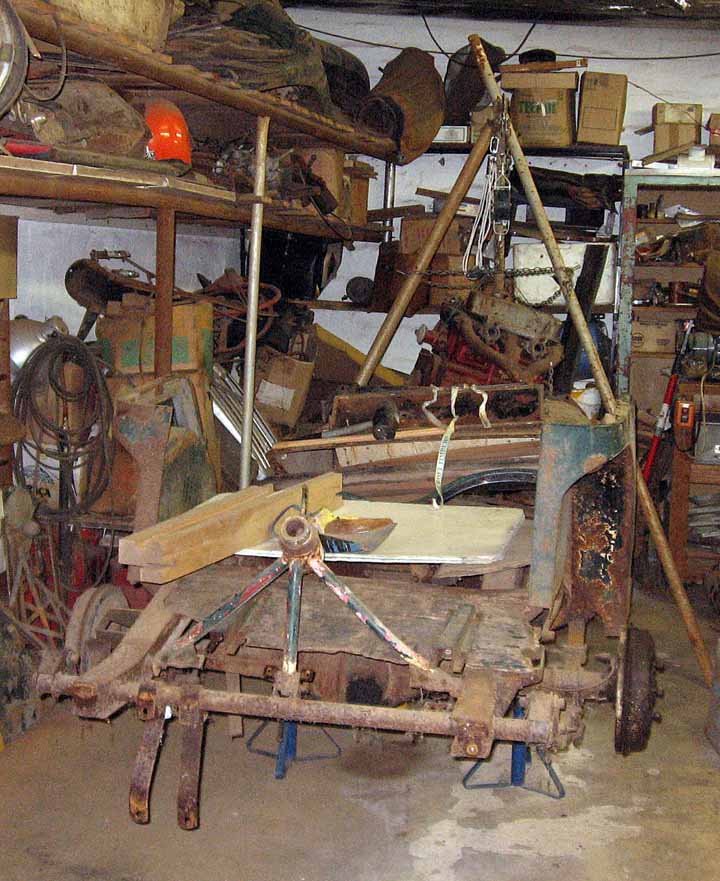
    A complete TC: Or is it?

    A more approachable project, a 1954 TF 1500, came his way a few years later. This was noticeably complete, standing on its wheels and recognisable. It just didn’t run and the fine old English Ash framework had succumbed to dry rot. He disassembled the car, during the ‘eighties, with imminent intent to restore.

    Living unfortunately intervened again and the project was shelved. Literally. Grieve retired in 2007 after 40 years in family practice. Then, following a long-awaited extended safari into Africa, he looked around for something to do.

    Life made up for past interferences by stepping in, with a Grand Sign, during a visit to Weekend Witness/VSCC Cars in the Park the following year. A magnificently restored TF, belonging to Charles Rilett, caught his eye and Grieve knew that the time had come. Work resumed in earnest during 2009.

    Rust was brushed, buffed and cut away, rotten panels patched or replaced and most of the wooden framework remade in Meranti and heavy plywood. Genuine Ash doesn’t grow on trees ‘round here you know. How does one remake a wooden part that’s rotted away to a fraction of what it should be? Take what remains, measure carefully, then reconstruct according to the drawing in the parts book. Thereafter, trim and shape until it fits into the space provided.

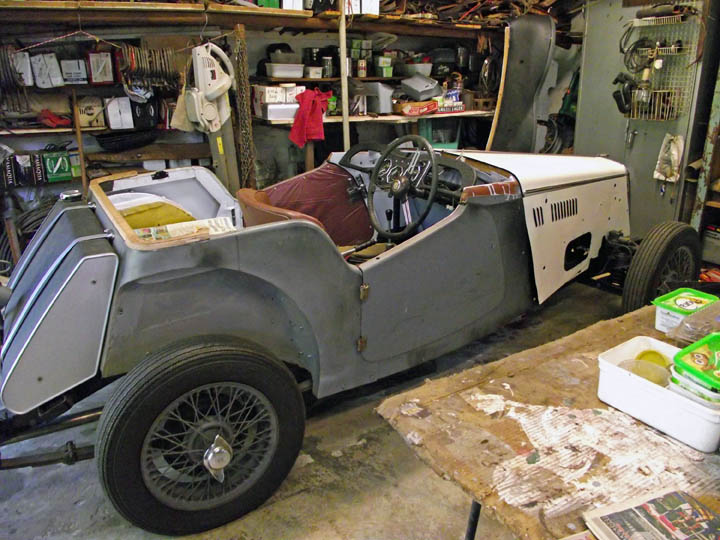
    Getting there, but still a long way to go

    The chassis had to be stripped of rust, repaired and repainted, while body parts required thorough cleaning, panel beating where necessary, and repainting or replating. Metal parts damaged beyond repair, or rusted away, were remade; using basic tools and old-fashioned ingenuity.

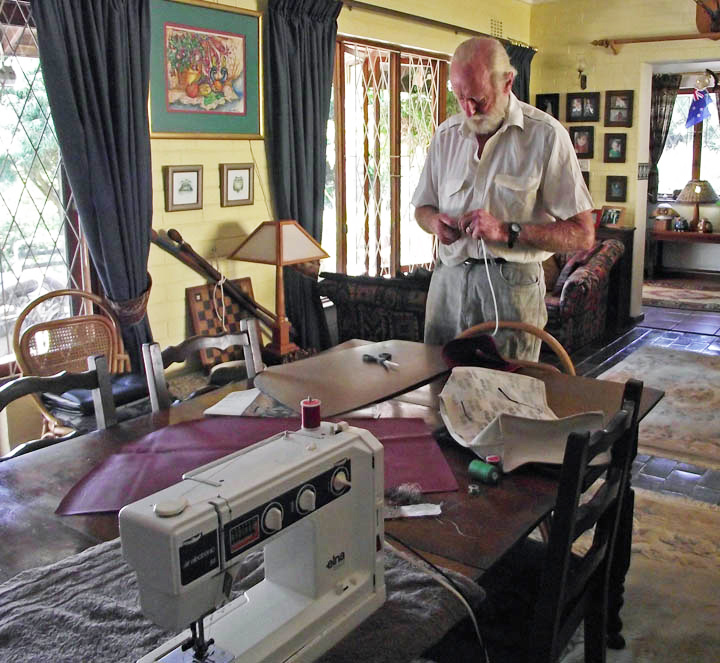
    Then came the upholstery. Very little had withstood the ravages of time. As Grieve said: “I didn’t consciously learn new skills. I solved problems as I went along.”

    New skills learned, or problems overcome, included spray-painting, panel beating, upholstery, soldering, parts fabrication, brazing, carpentry and rust removal.

    Ian Grieve about to re-cover a door panel

    Luckily, the MG’s wings were in good shape but among the items Grieve figured out how to reproduce were the pair of bonnet strip supports – those little brackets that the long centre hinge-pin of the bonnet fits into – at either end.

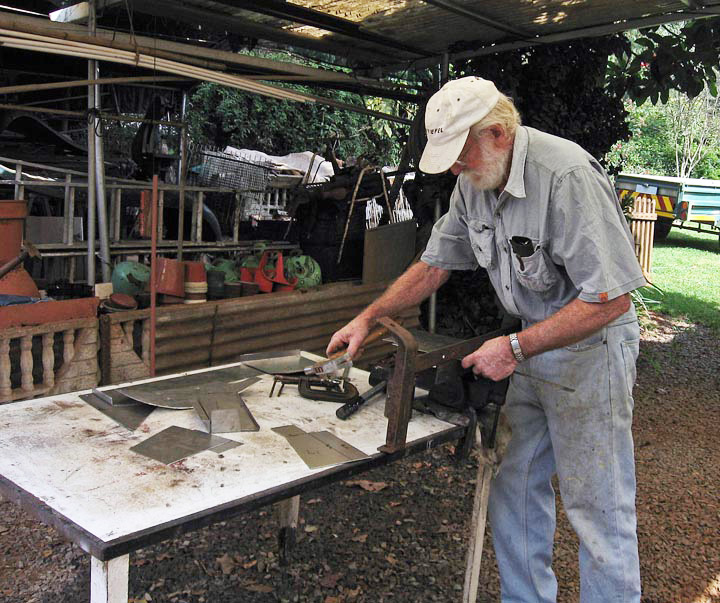
    These were available from the old country at ‘only’ £9.15 each, plus sundry other charges, but it’s far more interesting to fettle from mild steel sheet for a few Rand. It wasn’t all ‘making do’ however; he admitted to having gathered and hoarded ‘a few’ MG parts over thirty-odd years.

    The restorer fabricating parts at home

    A guaranteed way to spend heaps of money is the “cheque-book” route: It results in a car costing so much that one’s afraid to take it off its show trailer. Grieve did not subscribe to that notion. In his view, the whole point of nostalgia was revisiting the fun and sensations of driving cars you enjoyed when you were young.

    That’s why his TF ultimately harboured a few pirated parts, non-imperial fasteners and perhaps even a modern alternative, here and there. The aim was to produce a nimble, sporty driving machine that he could enjoy, despite life’s little interruptions, for years to come.

    “Migs” was completed, and ready to run, in May 2013.

    The numbers
    Engine: BMC XPEG, 1466 cc naturally aspirated, Pushrod OHV, petrol
    Fuel feed: Twin SU4, semi-downdraft, constant vacuum, carburettors
    Power: 47 kW @ 5000 rpm
    Torque: 106 Nm @ 3000 rpm
    Drive: RWD
    Gears: Four-speed manual with synchromesh on second, third and fourth
    Clutch: Single dry plate.
    Chassis: Steel box section; over-slung at rear
    Body style: Two-door Roadster
    Acceleration, 0-100 km/h: 18.1 secs
    Maximum speed: 137 km/h (85 mph)
    Average fuel consumption: 12.5 l/100 km
    Measurements, L x W x H, mm: 3734 x 1518 x 1334
    Wheelbase, mm: 2388
    Kerb weight: 876 kg
    Ground clearance: 150 mm
    Tank: 54 litres
    Quantities produced: 3400 x 1500 cc, 6200 x 1250 cc

    Views: 31

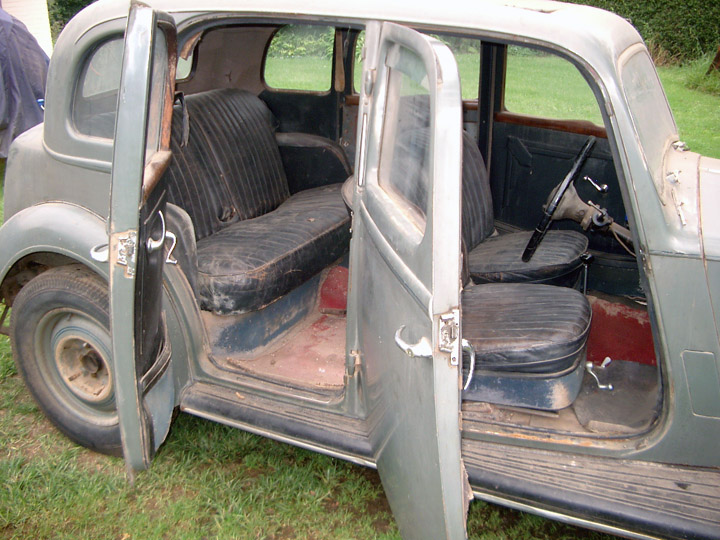
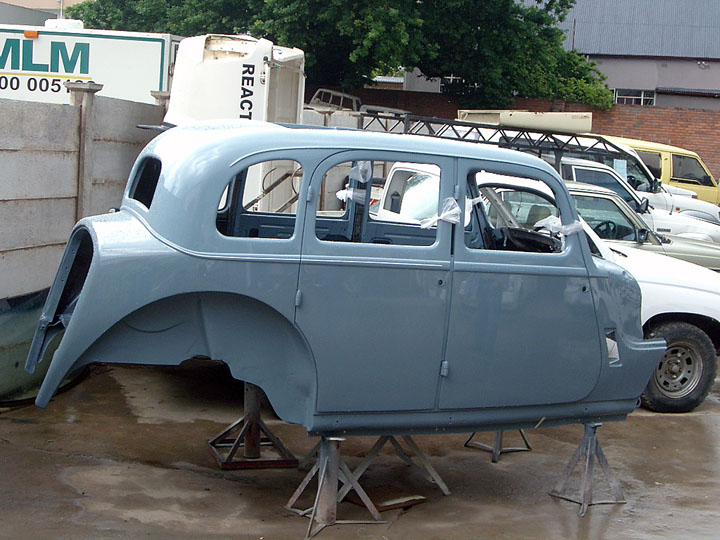
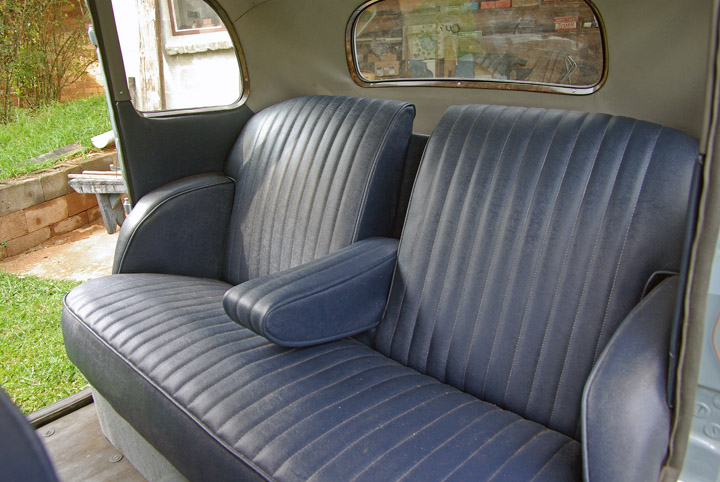
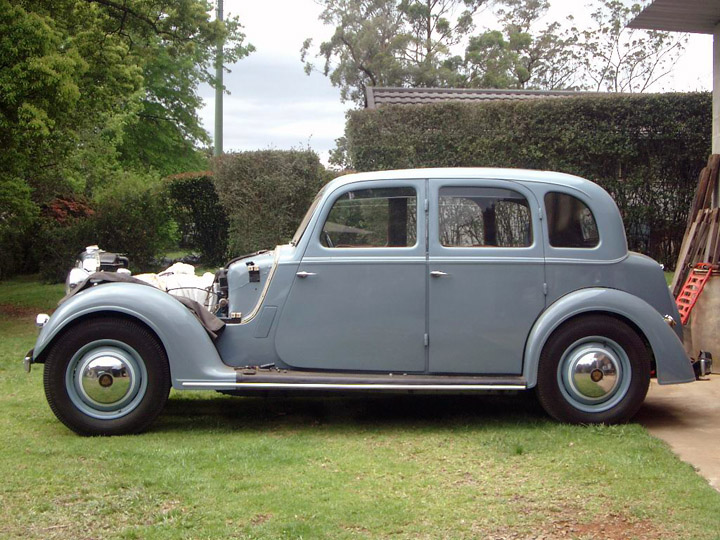
  • 1947 Rover P2 16 HP

    A story of one man’s Rover P2

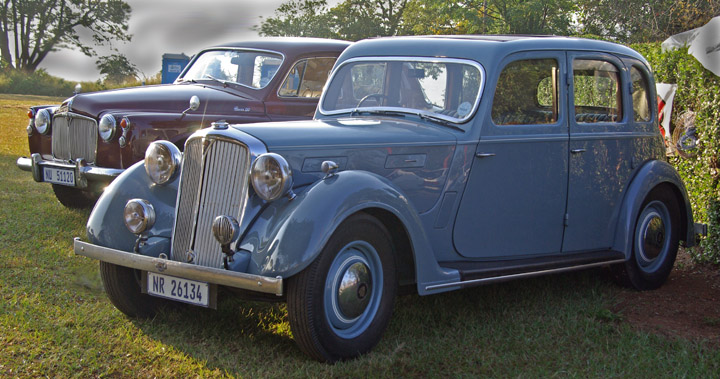
    Cedric MacDonald’s Rover P2 seen at a local car show after completion

    Views: 3

  • Home Page

    https://oldcars.net.za/blog/2024/12/24/british-cars/

    https://oldcars.net.za/blog/2024/12/26/european-cars

    https://oldcars.net.za/blog2024/12/27/cars-from-north-america

    https://oldcars.net.za/blog2024/12/27/cars-from-elsewhere/

    https://oldcars.net.za/work-zone/

    Comments, queries or want to tell us about your own cars?

    email us on: admin@oldcars.net.za

    Tell us about your old car and include some hi-res pics. Don’t worry if you’re “not a writer”. Give us the bare details and we’ll write it up for you.

    Views: 8